
Which of the following refers to international collaboration to improve health outcomes and decrease health inequities using a multimodal approach?
Public health
Global health
Community health
Population health
The Correct Answer is B
Choice A: Public Health
Public health focuses on protecting and improving the health of populations through education, policy-making, and research for disease and injury prevention. It typically operates within a specific country or community, addressing local health issues and promoting healthy lifestyles. While public health initiatives can have international implications, they are generally not centered on international collaboration to the same extent as global health.
Choice B: Global Health
Global health is defined as the area of study, research, and practice that places a priority on improving health and achieving equity in health for all people worldwide. It emphasizes international collaboration and a multidisciplinary approach to address health issues that transcend national boundaries. Global health initiatives often involve partnerships between countries, international organizations, and various sectors to tackle health disparities and improve health outcomes globally.
Choice C: Community Health
Community health focuses on the health status and needs of specific communities or populations within a defined geographic area. It involves the development and implementation of strategies to improve the health and well-being of community members. While community health can contribute to broader public health goals, it does not typically involve the same level of international collaboration as global health.
Choice D: Population Health
Population health refers to the health outcomes of a group of individuals, including the distribution of such outcomes within the group. It aims to improve the health of an entire population by addressing a wide range of factors that influence health, such as social, economic, and environmental determinants. Population health strategies can be applied at local, national, or global levels, but the term itself does not specifically imply international collaboration.
Nursing Test Bank
Naxlex Comprehensive Predictor Exams
Related Questions
Correct Answer is B
Explanation
Choice A Reason:
Reinforcing past teachings on how to read food labels is an important educational intervention. It helps the client make informed dietary choices, which can be crucial in managing heart failure. However, this intervention is more aligned with secondary prevention, which focuses on early detection and management of disease risk factors to prevent progression. Tertiary prevention, on the other hand, aims to manage and mitigate complications of an already established disease.
Choice B Reason:
Tertiary prevention focuses on managing and mitigating the effects of an existing disease to prevent complications and improve quality of life. In the context of heart failure, this involves monitoring and managing symptoms to prevent disease progression and hospitalizations. Reviewing the client's daily weights helps detect early signs of fluid retention, a common issue in heart failure, allowing for timely interventions.
Choice C Reason:
Reminding the client to ask for the pneumococcal vaccine during their next provider appointment is a preventive measure aimed at reducing the risk of infections, which can exacerbate heart failure. This intervention falls under primary prevention, as it aims to prevent the occurrence of a new health issue (pneumonia) rather than managing an existing condition.
Choice D Reason:
While assessing for edema is important in managing heart failure, it is more of a diagnostic activity rather than an intervention. Tertiary prevention involves interventions to manage and mitigate the effects of an existing disease.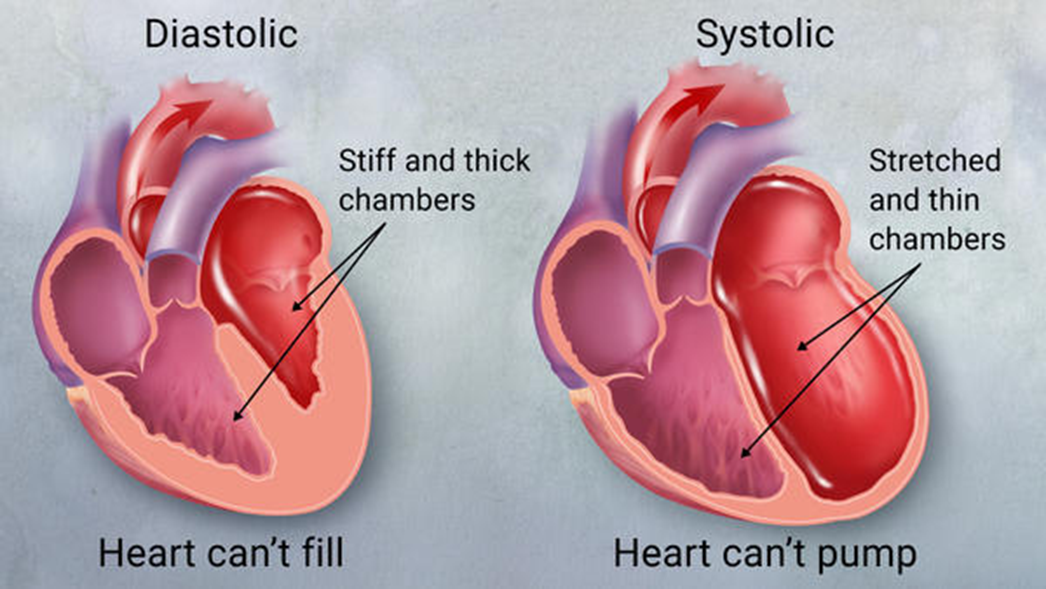
Correct Answer is ["B","D","E"]
Explanation
Choice A Reason:
Assurance of services refers to the guarantee that health services are available and accessible to the population. While this is crucial for public health, it primarily affects the structural level of society rather than multiple levels. The Ecological Model emphasizes the interaction between individual, interpersonal, community, and societal factors. Assurance of services is more of a systemic factor and does not directly influence individual behavior across multiple levels.
Choice B Reason:
Health beliefs are a significant factor in the Ecological Model as they influence individual behaviors and decisions regarding health. These beliefs are shaped by personal experiences, cultural norms, and societal influences. Health beliefs operate at multiple levels, including the individual level (personal beliefs), interpersonal level (influence of family and friends), and community level (cultural and societal norms). They play a critical role in determining how individuals perceive health risks and engage in health-promoting behaviors.
Choice C Reason:
Medical funding is essential for the provision of healthcare services and the functioning of health systems. However, it primarily affects the structural and policy levels rather than multiple levels of society. While adequate funding is necessary for ensuring access to healthcare, it does not directly influence individual health behaviors across different levels of the Ecological Model.
Choice D Reason:
Laws and local ordinances that relate to health are crucial in shaping the environment in which individuals live. These regulations can influence health behaviors by creating supportive environments, such as smoke-free zones, safe drinking water standards, and regulations on food safety. These laws operate at the community and societal levels, impacting individual and collective behaviors by establishing norms and standards that promote health.
Choice E Reason:
Interaction with others is a key component of the Ecological Model, affecting health behavior at multiple levels. Social interactions influence individual behaviors through peer pressure, social support, and the sharing of information. At the interpersonal level, family and friends can encourage or discourage healthy behaviors. At the community level, social networks and community organizations play a role in shaping health norms and behaviors. These interactions are integral to understanding how health behaviors are adopted and maintained.
Whether you are a student looking to ace your exams or a practicing nurse seeking to enhance your expertise , our nursing education contents will empower you with the confidence and competence to make a difference in the lives of patients and become a respected leader in the healthcare field.
Visit Naxlex, invest in your future and unlock endless possibilities with our unparalleled nursing education contents today