
Which oral medication can the nurse safely cut in half?
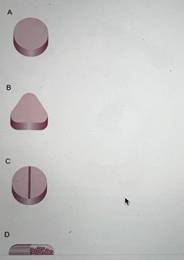
A
B
C
D
The Correct Answer is C
A. This tablet has no score line and could have an extended-release or special coating that should not be altered. Cutting it may affect absorption and safety.
B. The triangular shape and lack of score line suggest it is not intended to be split, risking improper dosing or altered release.
C. The tablet in option C has a scored line (a groove down the middle), which indicates that it can be safely split. Scored tablets are manufactured to ensure even distribution of the active ingredient, making it safe for dose division.
D. This is a capsule, which should never be cut or opened unless specifically directed, as it may contain extended-release beads or irritants.
Nursing Test Bank
Naxlex Comprehensive Predictor Exams
Related Questions
Correct Answer is C
Explanation
A. Electromyography: Electromyography assesses electrical activity in muscles and is used to diagnose neuromuscular disorders. It is not relevant to evaluating bleeding tendencies or pinpoint skin spots, which suggest a hematologic issue like thrombocytopenia.
B. Skin biopsy: A skin biopsy might help diagnose dermatologic conditions, but it is invasive and not the initial step when systemic drug side effects like petechiae are suspected. The presence of red spots suggests a possible blood disorder requiring laboratory confirmation first.
C. Complete blood count: A CBC is essential to evaluate for thrombocytopenia, a known adverse effect of zidovudine. Pinpoint red spots, or petechiae, are often linked to low platelet counts, which require prompt detection and management to prevent serious complications.
D. Allergy test: Allergy testing identifies hypersensitivity reactions, typically associated with rashes or itching. Petechiae are not commonly caused by allergic reactions but are more indicative of blood abnormalities, making this test less immediately relevant.
Correct Answer is C
Explanation
A. Loperamide: Although it treats diarrhea, loperamide would worsen ammonia buildup by reducing bowel transit time. It doesn’t address the underlying hepatic encephalopathy causing confusion in cirrhosis.
B. Furosemide: This loop diuretic is used to manage ascites or edema, not elevated ammonia. It doesn’t treat the neurological symptoms caused by hepatic encephalopathy or improve stool-based ammonia excretion.
C. Lactulose: Lactulose lowers serum ammonia by trapping it in the colon and promoting its excretion through diarrhea. It directly treats confusion related to hepatic encephalopathy, making it the most important intervention here.
D. Intravenous (IV) human albumin: Albumin helps restore oncotic pressure in cases of ascites or low serum protein but does not affect ammonia levels or mental status. It supports fluid balance, not toxin elimination.
Whether you are a student looking to ace your exams or a practicing nurse seeking to enhance your expertise , our nursing education contents will empower you with the confidence and competence to make a difference in the lives of patients and become a respected leader in the healthcare field.
Visit Naxlex, invest in your future and unlock endless possibilities with our unparalleled nursing education contents today