
A charge nurse is providing teaching to a newly licensed nurse on how to clean surfaces contaminated with blood. Which of the following agents should the nurse include in theteaching?
Hydrogen peroxide
Isopropyl alcohol
Chlorine bleach
Chlorhexidine
The Correct Answer is C
A. Hydrogen peroxide is not recommended for cleaning surfaces contaminated with blood as it is not as effective as other agents and may not adequately disinfect surfaces.
B. Isopropyl alcohol can be effective for disinfecting surfaces contaminated with blood, but it is less effective against certain bloodborne pathogens like hepatitis B virus compared to chlorine bleach.
C. Chlorine bleach is an effective agent for cleaning surfaces contaminated with blood and is recommended by CDC guidelines for disinfecting against bloodborne pathogens.
D. Chlorhexidine is primarily used as a skin antiseptic and is not typically used for cleaning surfaces contaminated with blood.
Nursing Test Bank
Naxlex Comprehensive Predictor Exams
Related Questions
Correct Answer is A
Explanation
A.
A. A BMI of 20 falls within the healthy weight range for adults.
B. Malnutrition is characterized by a BMI below the healthy weight range and is typically associated with BMI values less than 18.5.
C. Overweight is characterized by a BMI between 25 and 29.9.
D. Obesity is characterized by a BMI of 30 or higher.
Correct Answer is C
Explanation
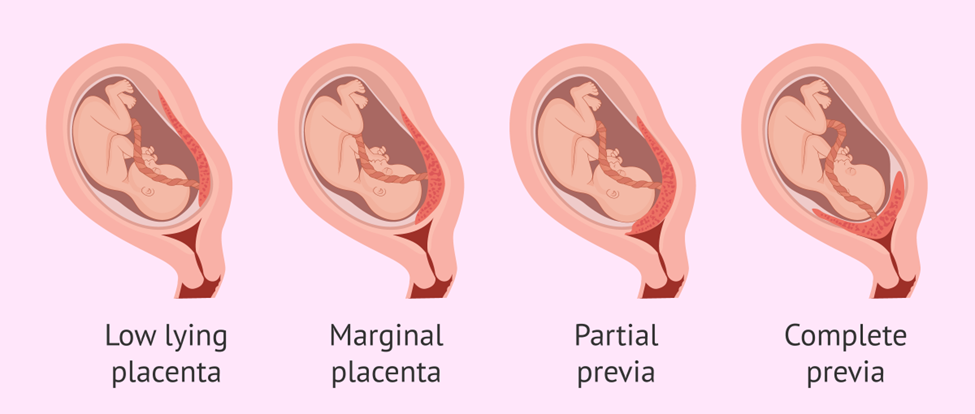
A. Rupturing the amniotic sac in the case of complete placenta previa can lead to significant bleeding and is contraindicated.
B. Pain medication may be administered if needed, but the priority is to address the placenta previa and potential complications.
C. Complete placenta previa at 36 weeks gestation with contractions and bleeding is a clear
indication for an emergency cesarean section to prevent maternal hemorrhage and fetal distress.
D. Performing a vaginal exam can increase the risk of bleeding and should be avoided in cases of placenta previa.
Whether you are a student looking to ace your exams or a practicing nurse seeking to enhance your expertise , our nursing education contents will empower you with the confidence and competence to make a difference in the lives of patients and become a respected leader in the healthcare field.
Visit Naxlex, invest in your future and unlock endless possibilities with our unparalleled nursing education contents today