
A client at 8-weeks gestation presents to the office with a report of vaginal bleeding for the last 12 hours without cramping. Which action should the practical nurse (PN) take?
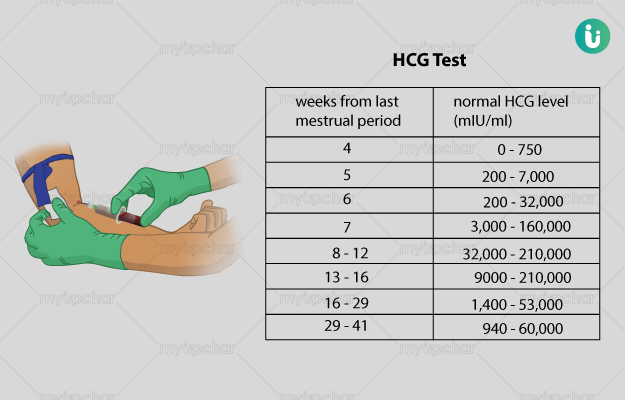
Check serum human chorionic gonadotropin.
Verify the date of the last menstrual cycle.
Repeat a urine pregnancy test.
Inquire about the last occurrence of intercourse.
The Correct Answer is A
The first action the PN should take is to check the client's serum human chorionic gonadotropin (hCG) level. This hormone is produced by the placenta and can provide important information about the viability of the pregnancy.
Option B, verifying the date of the last menstrual cycle, can provide useful information about the gestational age of the pregnancy but is not the first priority.
Option C, repeating a urine pregnancy test, can confirm the presence of a pregnancy but does not provide information about its viability.
Option D, inquiring about the last occurrence of intercourse, is not relevant to addressing the client's immediate concern of vaginal bleeding.
Nursing Test Bank
Naxlex Comprehensive Predictor Exams
Related Questions
Correct Answer is A
Explanation
This can offer a safe place for her and her unborn child. The shelter can also provide resources for counseling and legal assistance if needed.
The safety plan and restraining order are important measures, but the priority should be to ensure the client's immediate safety.
The visit summary documenting the report of abuse is also important, but it should not be the only information provided to the client.
Correct Answer is C
Explanation
The practical nurse should report to the charge nurse that the client is near delivery, as the client's signs indicate that she is in the transition phase of labor and is likely to deliver soon. The PN should also assess the client's vital signs, fetal heart rate, and pain level, and prepare the delivery equipment.
The husband can be asked to provide emotional support to the client during labor.
The rapid response team may be called in case of a medical emergency, but this is not indicated based on the information given.
Checking the time, the last PRN narcotic analgesic was given is also not indicated at this point, as the client is close to delivery and may not have time for medication to take effect.
Whether you are a student looking to ace your exams or a practicing nurse seeking to enhance your expertise , our nursing education contents will empower you with the confidence and competence to make a difference in the lives of patients and become a respected leader in the healthcare field.
Visit Naxlex, invest in your future and unlock endless possibilities with our unparalleled nursing education contents today