
A couple has come to the infertility clinic because they have been unable to get pregnant. Whichdiagnostic test is planned to determine if ovulation is regular and when to time implantation?
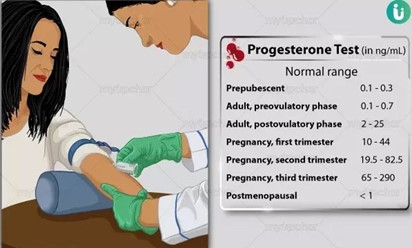
a. serum progesterone
b. Abdominal CT
Oocyte viability test
Urine testosterone
The Correct Answer is A
Progesterone is a hormone produced by the ovaries after ovulation has occurred. By measuring the levels of progesterone in the blood, healthcare providers can determine whether ovulation is occurring regularly and at what point in the menstrual cycle it is happening. This information can be used to time implantation during fertility treatments such as intrauterine insemination (IUI) or in-vitro fertilization (IVF). The other options listed, such as abdominal CT, oocyte viability test, and urine testosterone, are not relevant diagnostic tests for assessing ovulation or timing implantation.
Nursing Test Bank
Naxlex Comprehensive Predictor Exams
Related Questions
Correct Answer is B
Explanation
The nurse should identify the risk factor of the client giving birth to their first child at age 40 as this is associated with an increased risk of certain pregnancy complications and health problems for both the mother and the baby, such as gestational diabetes, preeclampsia, preterm delivery, and chromosomal abnormalities in the baby. Breastfeeding, experiencing peri-menopausal symptoms, and menarche at age 13 are not significant risk factors in this context. However, it is important to note that each of these factors may be relevant to the client's overall health history and should be documented and taken into consideration as appropriate.
Correct Answer is C
Explanation
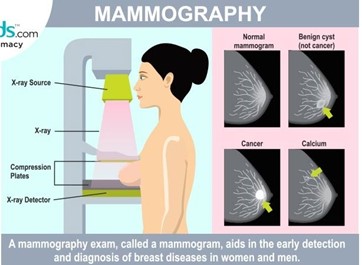
The current recommendation from the American Cancer Society is that women with an average risk of breast cancer should undergo annual mammography screening starting at age 45, although women may choose to start screening as early as age 40. Therefore, the nurse should recommend annual mammography screening starting at age 45. However, it is important to note that women with certain risk factors for breast cancer, such as a family history of the disease, may need to begin screening earlier or undergo additional screening tests. The nurse can provide more individualized recommendations based on each woman's specific risk factors.
Whether you are a student looking to ace your exams or a practicing nurse seeking to enhance your expertise , our nursing education contents will empower you with the confidence and competence to make a difference in the lives of patients and become a respected leader in the healthcare field.
Visit Naxlex, invest in your future and unlock endless possibilities with our unparalleled nursing education contents today