
A faith-based organization asks a community health nurse to develop a mobile meal program for older adults. Which of the following actions should the nurse plan to take first?
Determine potential funding sources for the program
Inquire about the availability of volunteers
Identify alternative solutions to address concerns
Perform a needs assessment
The Correct Answer is D
Choice A reason: Determining potential funding sources for the program is an important action, but not the first one. The nurse should first assess the needs of the target population, such as the number of older adults who need the service, their nutritional status, their preferences, and their barriers to access food.
Choice B reason: Inquiring about the availability of volunteers is an important action, but not the first one. The nurse should first assess the needs of the target population, and then plan the resources and personnel needed to implement the program.
Choice C reason: Identifying alternative solutions to address concerns is an important action, but not the first one. The nurse should first assess the needs of the target population, and then identify the possible challenges and solutions to deliver the service effectively and efficiently.
Choice D reason: Performing a needs assessment is the first action that the nurse should take, as it provides the basis for planning, implementing, and evaluating the program. A needs assessment involves collecting and analyzing data about the health status, needs, and resources of the target population and the community. It helps to identify the gaps, priorities, and goals of the program.
Nursing Test Bank
Naxlex Comprehensive Predictor Exams
Related Questions
Correct Answer is D
Explanation
Choice A reason: A child who has a BMI of 18 is not the highest priority, as it is within the normal range for children. BMI, or body mass index, is a measure of weight relative to height. A BMI of 18 is considered healthy for children aged 2 to 20 years, according to the Centers for Disease Control and Prevention (CDC). The nurse should monitor the child's growth and development and provide nutrition education as needed.
Choice B reason: An adolescent who has scoliosis is not the highest priority, as it is a common and usually mild condition. Scoliosis is a sideways curvature of the spine that affects about 3% of adolescents. Most cases of scoliosis are mild and do not require treatment, although some may need braces or surgery. The nurse should refer the adolescent to a specialist for further evaluation and management.
Choice C reason: An adolescent who has psoriasis is not the highest priority, as it is a chronic and non-contagious condition. Psoriasis is a skin disorder that causes red, scaly patches on the skin that may itch or burn. Psoriasis is not curable, but it can be controlled with medications, creams, or light therapy. The nurse should provide education and support to the adolescent and encourage them to seek medical care as needed.
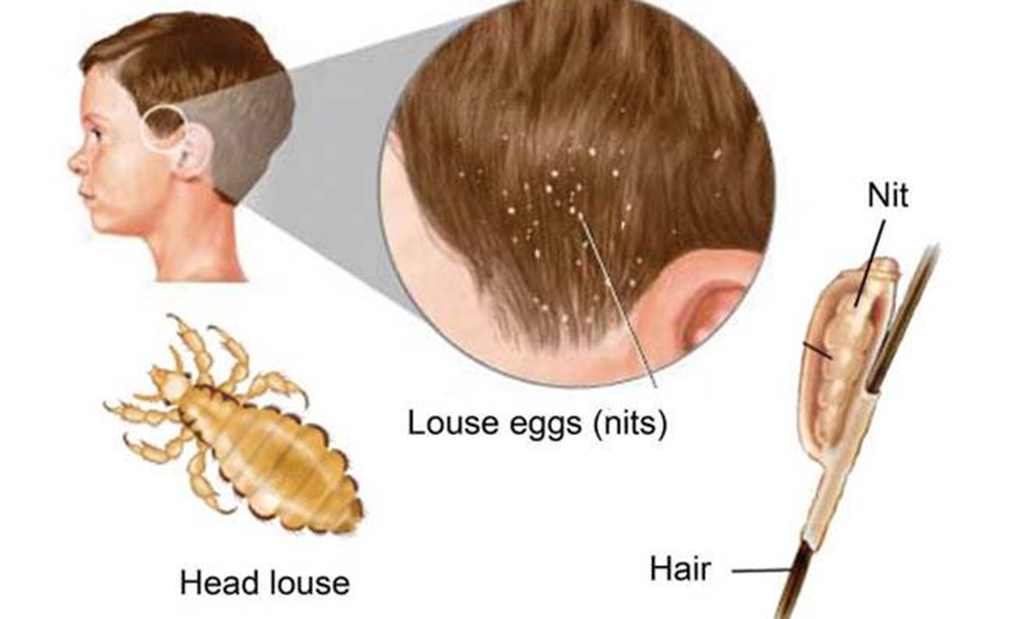
Choice D reason: A child who has nits is the highest priority, as it indicates a parasitic infestation that can spread to others. Nits are the eggs of head lice, which are tiny insects that live on the scalp and feed on blood. Head lice can cause itching, irritation, and infection of the scalp. The nurse should isolate the child and notify the parents and the school staff. The nurse should also provide instructions on how to treat the infestation and prevent reinfestation.
Correct Answer is D
Explanation
Choice A reason: Discussing the benefits of eating a well-balanced diet with the client's family is not the first action that the nurse should take. This is an important intervention that can help the client and the family to improve their nutrition and reduce the risk of further complications, but it should be done after the nurse has assessed the family's coping and learning needs.
Choice B reason: Assisting the client and the client's partner with finding an affordable exercise program is not the first action that the nurse should take. This is an important intervention that can help the client and the partner to increase their physical activity and enhance their cardiovascular health, but it should be done after the nurse has evaluated the client's physical and functional status.
Choice C reason: Offering to accompany the client and the client's partner during health care provider visits is not the first action that the nurse should take. This is an important intervention that can help the client and the partner to receive support and guidance during the treatment process, but it should be done after the nurse has established rapport and trust with the family.
Choice D reason: Asking family members about the impact of the disease on relationships within the family is the first action that the nurse should take. This is based on the principle of family-centered care, which states that the nurse should recognize and respect the family as the primary source of support and care for the client. The nurse should ask open-ended questions, listen actively, and express empathy to the family members, and explore how the disease has affected their roles, responsibilities, emotions, and communication.
Whether you are a student looking to ace your exams or a practicing nurse seeking to enhance your expertise , our nursing education contents will empower you with the confidence and competence to make a difference in the lives of patients and become a respected leader in the healthcare field.
Visit Naxlex, invest in your future and unlock endless possibilities with our unparalleled nursing education contents today