
A family suspects that AIDS dementia is occurring in their adult child who is HIV positive. Which symptom confirms the suspicion?
Exhibits angry outbursts when the subject of dying is approached.
Increased intervals of sleep 18 out of 24 hours.
A change has recently occurred in handwriting.
Refuses to see friends or to return their phone calls.
The Correct Answer is C
C. One of the hallmark features of ADC is the development of cognitive impairment, including changes in memory, concentration, and problem-solving abilities. The change in handwriting (graphomotor impairment) is a specific neurological symptom that may indicate cognitive dysfunction and is consistent with the diagnosis of AIDS dementia.
A. This symptom suggests emotional distress or mood disturbances, which can occur in individuals with HIV/AIDS due to the psychological impact of the diagnosis and the uncertainty surrounding the disease progression. However, it is not specific to AIDS dementia
B. Increased sleepiness or hypersomnia can occur in individuals with AIDS dementia due to disruptions in sleep-wake cycles and alterations in brain function. However, increased sleepiness alone is not specific to AIDS dementia
D. Social withdrawal or isolation can occur in individuals with HIV/AIDS due to various reasons, including stigma, depression, or physical symptoms. However, it is not specific to AIDS dementia.
Nursing Test Bank
Naxlex Comprehensive Predictor Exams
Related Questions
Correct Answer is C
Explanation
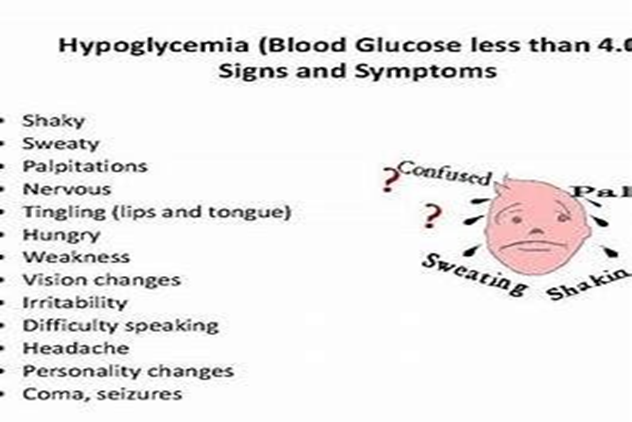
C. The client's symptoms of weakness and palpitations are suggestive of hypoglycemia, a common complication in individuals with diabetes, particularly those on glucose-lowering medications such as insulin or sulfonylureas. Excessive perspiration, also known as diaphoresis, is a classic symptom of hypoglycemia and indicates the body's response to low blood sugar levels.
A. Cold extremities can be a sign of poor peripheral circulation, which may occur in individuals with diabetes, particularly in advanced stages or in the presence of peripheral vascular disease. However, it is not as specific to the acute episode of hypoglycemia
B. Myalgia (muscle pain) in the wrists and hands is not a typical symptom of hypoglycemia.
D. Dark yellow urine may indicate dehydration, which can occur in individuals with poorly controlled diabetes or during episodes of hyperglycemia. While dehydration is a concern in diabetes management, it is not directly related to the acute episode of hypoglycemia.
Correct Answer is C
Explanation
C. An ANC of 500/mm3 (0.5 x 10/L) is indicative of severe neutropenia, which places the client at a significantly increased risk of developing infections due to the decreased ability of the immune system to fight off pathogens. Placing the client in protective isolation is essential to minimize the risk of exposure to infectious agents that could lead to severe infections
A. While reviewing the need for pneumococcal vaccine is important for preventing infections in immunocompromised clients, it may not be the most immediate priority in this scenario.
B. Implementing bleeding precautions is relevant for clients with thrombocytopenia but is not the most critical intervention for a client with severe neutropenia.
D. Assessing vital signs every 4 hours is a routine nursing intervention, but it may not directly address the heightened risk of infection associated with severe neutropenia.
Whether you are a student looking to ace your exams or a practicing nurse seeking to enhance your expertise , our nursing education contents will empower you with the confidence and competence to make a difference in the lives of patients and become a respected leader in the healthcare field.
Visit Naxlex, invest in your future and unlock endless possibilities with our unparalleled nursing education contents today