
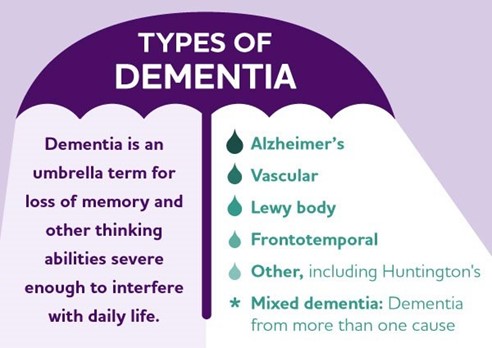
A home health nurse is planning the initial home visit for a client who has dementia and lives with his adult son's family. Which of the following actions should the nurse take first during the visit?
Educate the family regarding the progression of dementia.
Engage the family in informal conversation.
Provide the family with information about respite care.
Encourage the family to join a support group.
The Correct Answer is B
During the initial home visit, the nurse should establish rapport and build a trusting relationship with the client and his family.
Engaging the family in informal conversation allows the nurse to learn about the family's dynamics, routines, and preferences, as well as the client's interests and abilities. This information can be helpful in developing a care plan that is tailored to the client's and family's needs and goals.
While educating the family about dementia and providing information about resources such as respite care and support groups is important, these actions should come after the nurse has established a rapport with the family and gained their trust.
Nursing Test Bank
Naxlex Comprehensive Predictor Exams
Related Questions
Correct Answer is D
Explanation
Teaching about inhaler use to a client who has asthma is an example of tertiary prevention. Tertiary prevention aims to reduce the impact of an already established disease or injury by maximizing function and preventing complications. In this case, teaching a client with asthma about inhaler use can help manage their symptoms and prevent exacerbations.
Choice a is an example of secondary prevention, which aims to detect and treat a disease early on to prevent it from progressing.
Choice b is an example of primary prevention, which aims to prevent a disease from occurring in the first place.
Choice c is also an example of primary prevention, as promoting helmet use is a way to prevent head injuries from occurring.
Correct Answer is C
Explanation
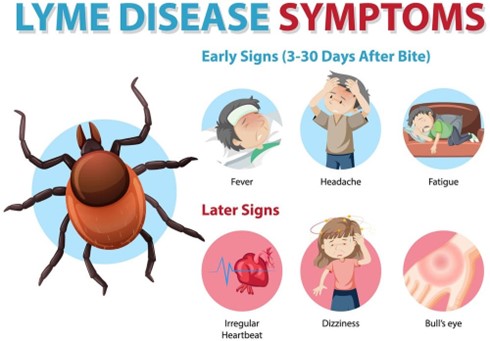
State health departments are responsible for monitoring and reporting communicable diseases within their respective states to the Centers for Disease Control and Prevention. Lyme disease is a nationally notifiable disease, which means that cases must be reported to the Centers for Disease Control and Prevention by the state health department.
Whether you are a student looking to ace your exams or a practicing nurse seeking to enhance your expertise , our nursing education contents will empower you with the confidence and competence to make a difference in the lives of patients and become a respected leader in the healthcare field.
Visit Naxlex, invest in your future and unlock endless possibilities with our unparalleled nursing education contents today