
A nurse is working with a community health care team to devise strategies for preventing violence in the community.
Which of the following interventions is an example of tertiary prevention?
Presenting community education programs about stress management
Developing resources for victims of abuse
Urging community leaders to make nonviolence a priority
Assessing for risk factors of intimate partner abuse during health examinations
The Correct Answer is B
The nurse should identify option B, "Developing resources for victims of abuse," as an example of tertiary prevention. This intervention focuses on reducing the impact of a disease or injury that has already occurred. In this case, the focus is on providing support and resources for victims of abuse to help them recover from the effects of the violence.
Option A is a primary prevention activity, as it focuses on preventing the development of complications through early intervention and education.
Option C is a combination of primary and secondary prevention, as it focuses on preventing violence from occurring and addressing it early if it does occur.
Option D is a secondary prevention activity, as it focuses on early identification and intervention to prevent further harm or complications related to intimate partner abuse.

Nursing Test Bank
Naxlex Comprehensive Predictor Exams
Related Questions
Correct Answer is B
Explanation
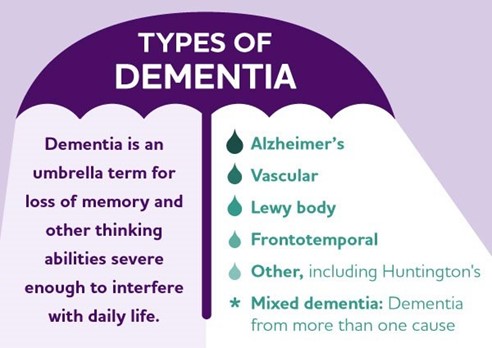
During the initial home visit, the nurse should establish rapport and build a trusting relationship with the client and his family.
Engaging the family in informal conversation allows the nurse to learn about the family's dynamics, routines, and preferences, as well as the client's interests and abilities. This information can be helpful in developing a care plan that is tailored to the client's and family's needs and goals.
While educating the family about dementia and providing information about resources such as respite care and support groups is important, these actions should come after the nurse has established a rapport with the family and gained their trust.
Correct Answer is C
Explanation
Carrying a baby with you as you move around the house helps prevent falls and other accidents.
Option a is incorrect because warming a baby's bottle in the microwave can cause hot spots and burn the baby's mouth. Bottles should be warmed using a bottle warmer or by placing them in warm water.
Option b is incorrect because limiting cuddling time with grandparents does not prevent spoiling. Infants benefit from positive interactions and affection from all caregivers.
Option d is incorrect because using baby talk can hinder language development. It is important to speak to babies using proper grammar and age-appropriate vocabulary to promote language skills.
Whether you are a student looking to ace your exams or a practicing nurse seeking to enhance your expertise , our nursing education contents will empower you with the confidence and competence to make a difference in the lives of patients and become a respected leader in the healthcare field.
Visit Naxlex, invest in your future and unlock endless possibilities with our unparalleled nursing education contents today