
A nurse educator is teaching a group of newly licensed nurses about maintaining client confidentiality according to HIPAA regulations. Which of the following statements by a newly licensed nurse indicates an understanding of the teaching?
"HIPAA rules vary from state to state."
"We should share our computer passwords with our manager."
"HIPAA rules allow clients to receive a copy of their medical records."
"A client's diagnosis can be posted on the communication board inside the client's room."
The Correct Answer is C
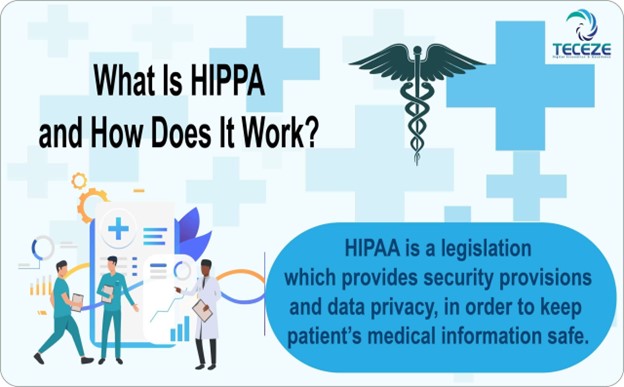
HIPAA (Health Insurance Portability and Accountability Act) is a federal law that mandates the privacy and security of a patient's medical records and personal health information. A newly licensed nurse must understand the HIPAA regulations to protect patient's confidentiality and avoid penalties for violating the law. HIPAA rules permit clients to access their medical records and receive copies of their medical information upon request. A client can request copies of medical records through a signed authorization form. HIPAA does not allow the sharing of a client's medical information with unauthorized personnel or third parties, including coworkers and supervisors. Therefore, it is essential to protect clients' medical information and keep computer passwords confidential.
Nursing Test Bank
Naxlex Comprehensive Predictor Exams
Related Questions
Correct Answer is D
Explanation
The correct answer is choice D. Agricultural workers who are exposed to pesticides are at risk for dizziness, headache, nausea, and vomiting. Dizziness is a common acute effect of pesticide exposure. Hypoglycemia is not a common effect of pesticide exposure, although it can occur in some cases of organophosphate poisoning. Oliguria is a decrease in urine output, and diplopia is a condition where an individual experiences double vision, neither of which is commonly associated with acute pesticide exposure.
Correct Answer is D
Explanation
." Eye health is an essential aspect of overall health, and many eye disorders and diseases can be asymptomatic. The American Optometric Association (AOA) recommends that adults aged 18-64 should have a comprehensive eye exam at least every two years. After age 65, the frequency of eye exams should be increased, depending on the individual's eye health status. During an eye exam, the optometrist or ophthalmologist evaluates the client's visual acuity, peripheral vision, and intraocular pressure, as well as examines the internal and external structures of the eyes to detect any abnormalities. The assessment of the retina is particularly important as it can reveal the presence of chronic diseases such as diabetes, high blood pressure, and macular degeneration.
Whether you are a student looking to ace your exams or a practicing nurse seeking to enhance your expertise , our nursing education contents will empower you with the confidence and competence to make a difference in the lives of patients and become a respected leader in the healthcare field.
Visit Naxlex, invest in your future and unlock endless possibilities with our unparalleled nursing education contents today