
A nurse in the ICU is caring for a client who has heart failure and is receiving a dobutamine drip. The nurse should identify that which of the following findings indicates that the medication is effective?
Increased urine output
Decreased blood glucose level
Decreased blood pressure
Increased heart rate
The Correct Answer is A
Choice A Reason: Dobutamine is a positive inotropic agent that increases the contractility of the heart and improves cardiac output. This leads to increased renal perfusion and urine output, which reduces the fluid overload and edema associated with heart failure. Therefore, this choice is correct.
Choice B Reason: Dobutamine does not have a direct effect on blood glucose level. It may cause hyperglycemia as a side effect, but this is not an indication of its effectiveness. Therefore, this choice is incorrect.
Choice C Reason: Dobutamine may cause a slight decrease in blood pressure due to vasodilation, but this is not its main therapeutic effect. A significant decrease in blood pressure may indicate hypovolemia, hypotension, or shock, which are adverse effects of dobutamine. Therefore, this choice is incorrect.
Choice D Reason: Dobutamine also has a positive chronotropic effect, which means it increases the heart rate. However, this is not a desired outcome for a client with heart failure, as it increases the oxygen demand of the heart and may worsen the condition. Therefore, this choice is incorrect.
Nursing Test Bank
Naxlex Comprehensive Predictor Exams
Related Questions
Correct Answer is ["24"]
Explanation
- To find the concentration of heparin in the solution, divide the amount of heparin by the volume of D5W: 25,000 units / 500 mL = 50 units/mL
- To find the infusion rate, divide the prescribed dose by the concentration: 1,200 units/hr / 50 units/mL = 24 mL/hr
- Round the answer to the nearest tenth/whole number: 24 mL/hr
Correct Answer is C
Explanation
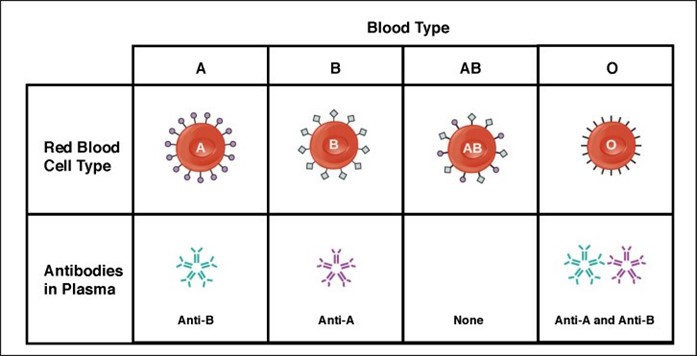
Choice A: Contacting the provider for further orders is not necessary, because the client has type AB blood, which is compatible with any other blood type. The client can receive type B blood without any adverse reactions.
Choice B: Notifying the blood bank of the discrepancy is not required, because there is no discrepancy. The blood bank sent the correct type of blood for the client, according to their blood type.
Choice C: Administering the blood as ordered is the correct action, because type B blood is compatible with type AB blood. The client will not have any transfusion reactions or complications from receiving this type of blood.
Choice D: Completing an incident report is not appropriate, because there is no incident. The nurse did not make any error or mistake in administering the blood to the client. There is no need to document or report anything unusual.
Whether you are a student looking to ace your exams or a practicing nurse seeking to enhance your expertise , our nursing education contents will empower you with the confidence and competence to make a difference in the lives of patients and become a respected leader in the healthcare field.
Visit Naxlex, invest in your future and unlock endless possibilities with our unparalleled nursing education contents today