
A nurse is assessing a child who has acute kidney injury. Which of the following clinical manifestations should the nurse expect?
Decreased respiratory rate
Polyuria
Hyperactivity
Edema
The Correct Answer is D
A. Decreased respiratory rate: AKI typically does not directly affect respiratory rate. Respiratory rate is more closely related to lung function and oxygenation status rather than kidney function.
B. Polyuria: This is an incorrect option. Polyuria, or increased urine output, is not typically seen in acute kidney injury. In fact, oliguria (decreased urine output) or anuria (absence of urine output) are more common in AKI due to decreased kidney function.
C. Hyperactivity: AKI does not typically cause hyperactivity. In fact, children with AKI may appear lethargic or fatigued due to the buildup of waste products in their bodies and electrolyte imbalances.
D. Edema: This is the correct option. Edema, or swelling due to fluid retention, is a common clinical manifestation of AKI. When the kidneys are unable to adequately filter and excrete excess fluid from the body, fluid accumulates in the tissues, leading to edema. Edema may be particularly noticeable in the face, hands, feet, or around the eyes.
Nursing Test Bank
Naxlex Comprehensive Predictor Exams
Related Questions
Correct Answer is C
Explanation
A. Have the child perform passive range-of-motion exercises: This is not recommended during acute hemarthrosis in hemophilia because it can further exacerbate bleeding and increase joint damage. Passive range-of-motion exercises should be avoided until bleeding has been adequately controlled.
B. Administer aspirin as needed for pain: Aspirin is not recommended for pain management in hemophilia due to its antiplatelet effects, which can further prolong bleeding. Instead, acetaminophen (Tylenol) or other nonsteroidal anti-inflammatory drugs (NSAIDs) that do not affect clotting mechanisms may be used for pain relief.
C. Place ice packs on the affected joints: This is a recommended intervention. Ice packs can help reduce inflammation and swelling in the affected joints, providing pain relief and potentially slowing down bleeding. However, it's important to ensure that the ice pack is wrapped in a cloth or towel to prevent direct contact with the skin, which could cause tissue damage.
D. Position the lower extremities below the level of the heart: This is not recommended. Elevating the affected extremity above the level of the heart can help reduce swelling and minimize bleeding. Placing the lower extremities below the level of the heart could potentially increase bleeding.
Correct Answer is C
Explanation
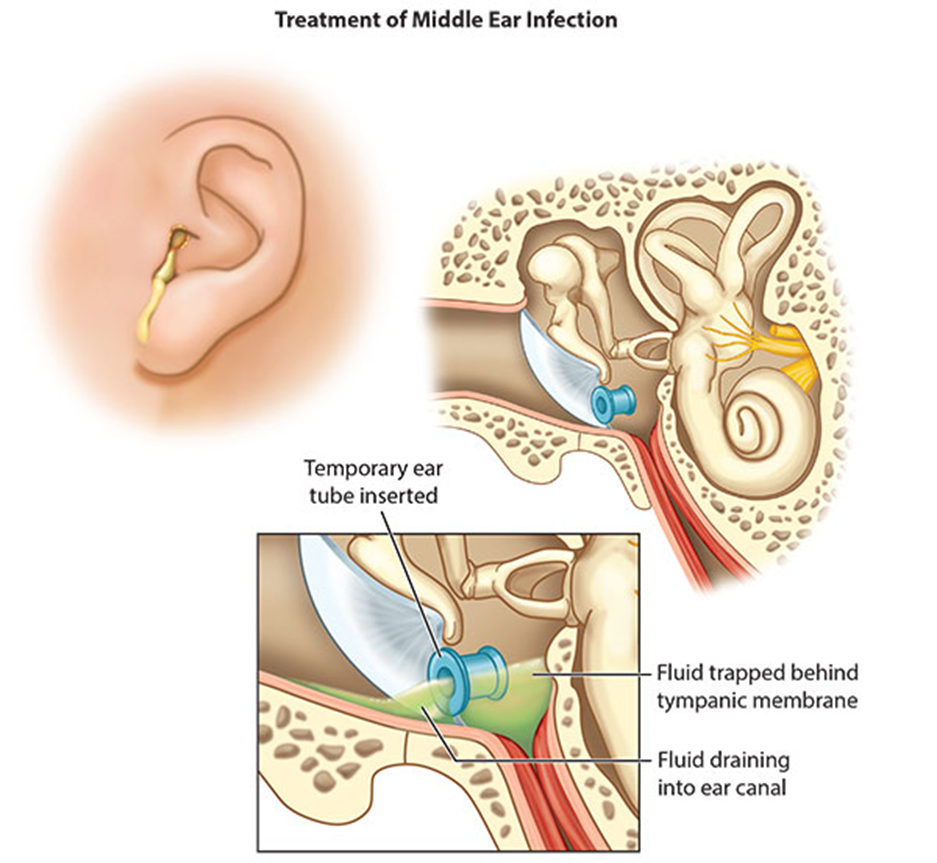
A. "Gently put the tubes back into the child's ears": This is not the correct response. Tympanoplasty tubes are not meant to be reinserted if they fall out. Attempting to reinsert them without proper medical training could cause injury or damage to the child's ears. Therefore, this response should be avoided.
B. "Bring the child to the emergency department immediately": While it's important for the parent to seek medical attention if the tubes fall out, it may not always necessitate a visit to the emergency department, especially if the child is not experiencing any other symptoms. This response might cause unnecessary panic for the parent and may not be the most appropriate course of action.
C. "Notify the provider that the tubes have fallen out": This is the correct response. If the tympanoplasty tubes fall out, the parent should notify the healthcare provider who performed the procedure. The provider can then assess the situation and determine the next steps, which may include scheduling a follow-up appointment to evaluate the child's ears.
D. "The tubes are sutured in place and must be surgically removed": This is incorrect. Tympanoplasty tubes are not sutured in place; they are typically designed to fall out on their own after a certain period of time. Additionally, removal of tympanoplasty tubes usually does not require another surgical procedure.
Whether you are a student looking to ace your exams or a practicing nurse seeking to enhance your expertise , our nursing education contents will empower you with the confidence and competence to make a difference in the lives of patients and become a respected leader in the healthcare field.
Visit Naxlex, invest in your future and unlock endless possibilities with our unparalleled nursing education contents today