
A nurse is caring for a client who has a tracheostomy.
Which of the following actions should the nurse take?
Secure the tracheostomy ties to allow one finger to fit snugly underneath.
Cleanse the skin around the stoma with normal saline.
Soak the outer cannula in warm, soapy tap water.
Use a cotton tip applicator to clean inside the inner cannula.
The Correct Answer is A
Secure the tracheostomy ties to allow one finger to fit snugly underneath. This is important to ensure that the tracheostomy tube is secure and in place.
Choice B is wrong because normal saline is not typically used to cleanse the skin around the stoma.
Choice C is wrong because soaking the outer cannula in warm, soapy tap water is not a recommended method of cleaning.
Choice D is wrong because a cotton tip applicator should not be used to clean inside the inner cannula.
Nursing Test Bank
Naxlex Comprehensive Predictor Exams
Related Questions
Correct Answer is C
Explanation
“This test will provide information about the function of your liver.” An alanine aminotransferase (ALT) test measures the level of ALT in the blood, which is an enzyme found primarily in the liver.
Elevated levels of ALT can indicate liver damage or disease.
Choice A, “This test will indicate if you are at risk for developing blood clots,” is not correct as an ALT test does not provide information about blood clot risk.
Choice B, “This test will determine if your heart is performing properly,” is not correct as an ALT test does not provide information about heart function.
Choice D, “This test is used to check how your kidneys are working,” is not correct as an ALT test does not provide information about kidney function.
Correct Answer is B
Explanation
A client with MRSA infection should be placed in a private room to prevent the spread of infection.
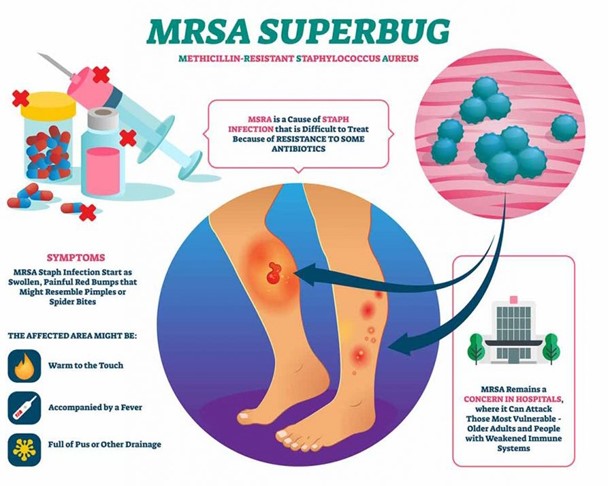
Choice A is wrong because an N95 respirator mask is not necessary when caring for a client with an MRSA infection.
Choice C is wrong because the proper sequence for removing personal protective equipment is to remove gloves first, then the gown.
Choice D is wrong because visitors do not need to wear a mask when they are within 3 feet of the client with an MRSA infection.
Whether you are a student looking to ace your exams or a practicing nurse seeking to enhance your expertise , our nursing education contents will empower you with the confidence and competence to make a difference in the lives of patients and become a respected leader in the healthcare field.
Visit Naxlex, invest in your future and unlock endless possibilities with our unparalleled nursing education contents today