
A nurse is caring for a client who has heart failure and is taking furosemide.
Which of the following statements by the client indicates a need for the nurse to intervene?
“I’m urinating in larger amounts.”
“I have to sleep sitting up.”
“I suck on hard candy for my dry mouth.”
“I’ve lost 3 pounds in the last week.”
The Correct Answer is B
This statement indicates that the client has orthopnea, which is a sign of worsening heart failure and fluid overload. The nurse should intervene by assessing the client’s vital signs, oxygen saturation, lung sounds, and edema, and notifying the provider for possible diuretic adjustment.
Choice A is wrong because “I’m urinating in larger amounts.” is an expected outcome of taking furosemide, which is a loop diuretic that increases urine output and reduces fluid retention.
Choice C is wrong because “I suck on hard candy for my dry mouth.” is a harmless way to cope with the side effect of dry mouth caused by furosemide.
Choice D is wrong because “I’ve lost 3 pounds in the last week.” is a positive sign that the client is losing excess fluid and improving their heart failure
condition. A weight loss of 2 to 4 pounds per week is acceptable for clients taking diuretics.
Normal ranges for heart failure clients are:
- Blood pressure: less than 140/90 mmHg
- Heart rate: 60 to 100 beats per minute
- Respiratory rate: 12 to 20 breaths per minute
- Oxygen saturation: greater than 95%
- Weight: stable or decreasing within 2 to 4 pounds per week
Nursing Test Bank
Naxlex Comprehensive Predictor Exams
Related Questions
Correct Answer is B
Explanation
This is because the client has hypothyroidism, which means their thyroid gland does not produce enough thyroid hormone. Levothyroxine is a synthetic form of thyroid hormone that can replace the missing hormone and normalize the TSH level. The client’s TSH level is 8.9 mIU/L, which is above the normal range of 0.4 to 4.0 mIU/L. This indicates that the client’s current dosage of levothyroxine is insufficient and needs to be increased.
Choice A is wrong because thyroid ablation therapy is a treatment for hyperthyroidism, not hypothyroidism.
Thyroid ablation therapy involves destroying part or all of the thyroid gland with radioactive iodine or surgery, which reduces the production of thyroid hormone.
This would worsen the client’s condition and symptoms.
Choice C is wrong because lovastatin is a statin drug that lowers cholesterol levels. Hypothyroidism can cause high cholesterol levels, but this is usually corrected by levothyroxine therapy. Replacing lovastatin with cholestyramine, a bile acid sequestrant that also lowers cholesterol levels, would not address the underlying cause of hypothyroidism and would not improve the client’s TSH level.
Choice D is wrong because restricting the intake of iodized salt would not help the client with hypothyroidism. Iodine is an essential element for the synthesis of thyroid hormone, but most people in developed countries get enough iodine from their diet.
Hypothyroidism is usually caused by autoimmune disease, not iodine deficiency.
Correct Answer is B
Explanation
Obturator.
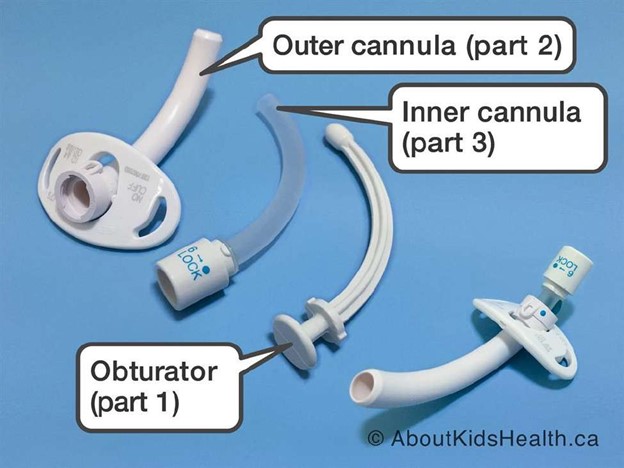
An obturator is a device that is inserted into the tracheostomy tube to guide it through the stoma and prevent tissue damage. It should be removed after the tube is inserted and kept near the bedside in case of accidental decannulation.
Choice A is wrong because povidone-iodine is an antiseptic solution that is not routinely used for tracheostomy care. It can cause skin irritation and damage to the mucous membranes.
Choice C is wrong because an irrigation set is not needed for a tracheostomy tube.
Irrigation can introduce bacteria and increase the risk of infection. It can also cause coughing and bleeding.
Choice D is wrong because hemostats are not used for a tracheostomy tube.
Hemostats are surgical instruments that are used to clamp blood vessels or tissues. They have no role in tracheostomy care.
Some other supplies that the nurse should place in the room are a trach tube the same size as the current tube and one size smaller, a portable suction machine with battery backup, and tubing that connects to the suction machine. Other supplies may include saline solution, syringes, gauze squares, gloves, a trachea tube brush, a waterproof drape, non-woven sponges, pipe cleaners, cotton tipped applicators, a T-drain sponge, twill tape, a trach holder, a speaking valve, a stoma cover, and a nebulizer.
Whether you are a student looking to ace your exams or a practicing nurse seeking to enhance your expertise , our nursing education contents will empower you with the confidence and competence to make a difference in the lives of patients and become a respected leader in the healthcare field.
Visit Naxlex, invest in your future and unlock endless possibilities with our unparalleled nursing education contents today