
A nurse is caring for a client who is breastfeeding their 5-day-old newborn. Which of the following should the nurse identify as an indication that the newborn is breastfeeding effectively?
Falls asleep 5 minutes after starting a feeding
Has 3 wet diapers each day.
Has a bowel movement every other day.
Makes audible swallowing sounds.
The Correct Answer is D
The nurse should identify that the newborn is making audible swallowing sounds as an indication that they are breastfeeding effectively. This indicates that the newborn is able to latch onto the breast and transfer milk effectively.
a) Falling asleep 5 minutes after starting a feeding may indicate that the newborn is not getting enough milk.
b) Having 3 wet diapers each day is not enough for a 5-day-old newborn. A newborn should have at least 6 wet diapers per day.
c) Having a bowel movement every other day is not an indication of effective breastfeeding. A breastfed newborn should have at least 3 bowel movements per day.
Nursing Test Bank
Naxlex Comprehensive Predictor Exams
Related Questions
Correct Answer is D
Explanation
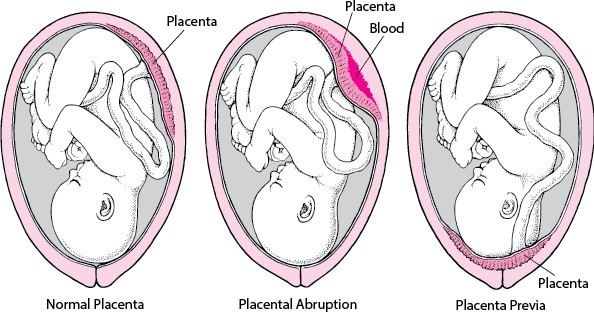
Placenta previa is a condition where the placenta partially or completely covers the opening of the cervix. One of the hallmark signs of placenta previa is painless vaginal bleeding, typically bright red in color. This bleeding can occur spontaneously or during activities that put pressure on the uterus, such as sexual intercourse or physical exertion.
A rigid abdomen is not typically associated with placenta previa. It may indicate other conditions, such as peritonitis or abdominal muscle rigidity, but it is not a characteristic finding of placenta previa.
Persistent uterine contractions are not typically associated with placenta previa. Placenta previa is more commonly associated with painless bleeding rather than contractions. However, if placenta previa is complicated by other factors, such as placental abruption, contractions and abdominal pain may be present.
Fetal movement is not directly related to placenta previa. Fetal movement can vary from person to person and does not specifically indicate placenta previa. However, it is important for the nurse to assess fetal well-being in clients with placenta previa as bleeding can impact the oxygen supply to the fetus.
Correct Answer is C
Explanation
Answer: C. Change the perineal pad with each void.
Rationale:
A) Cleanse the perineal area from back to front: Cleansing from back to front is not recommended as it increases the risk of introducing bacteria from the anal area to the perineal wound, potentially leading to infection. The correct technique is front-to-back cleansing to prevent contamination.
B) Wash the perineal area with povidone-iodine twice daily: Povidone-iodine is not typically recommended for regular perineal care postpartum, as it can disrupt normal flora and potentially irritate the healing tissues. Using warm water and mild soap is safer for cleansing the area.
C) Change the perineal pad with each void: Changing the perineal pad with each void helps maintain cleanliness and reduces moisture in the perineal area, decreasing the risk of infection and promoting comfort during the healing process of an episiotomy.
D) Wipe the perineal area with a soft cloth: Wiping the area can disrupt the stitches and may cause discomfort. Instead, clients are usually advised to gently pat dry or use a squirt bottle to cleanse, which reduces pressure on the healing tissue.
Whether you are a student looking to ace your exams or a practicing nurse seeking to enhance your expertise , our nursing education contents will empower you with the confidence and competence to make a difference in the lives of patients and become a respected leader in the healthcare field.
Visit Naxlex, invest in your future and unlock endless possibilities with our unparalleled nursing education contents today