
A nurse is caring for a client who is to receive potassium replacement. The provider's prescription reads, "Potassium chloride 30 mEq in 0.9% sodium chloride 100 mL IV over 30 min." For which of the following reasons should the nurse clarify this prescription with the provider?
The client should be treated by giving potassium by IV bolus.
Another formulation of potassium should be given IV.
Potassium chloride should be diluted in dextrose 5% in water.
The potassium infusion rate is too rapid.
The Correct Answer is D
Choice A rationale:
IV bolus administration of potassium is not appropriate due to the risk of cardiac arrhythmias.
Choice B rationale:
The formulation of potassium (potassium chloride) is appropriate for IV administration.
Choice C rationale:
Potassium chloride is typically diluted in normal saline (0.9% sodium chloride) for IV administration, not dextrose.
Choice D rationale:
The prescribed infusion rate of 30 mEq of potassium chloride over 30 minutes is too rapid and could lead to adverse effects, such as cardiac arrhythmias. The nurse should clarify the prescription and discuss a slower infusion rate with the provider.
Nursing Test Bank
Naxlex Comprehensive Predictor Exams
Related Questions
Correct Answer is C
Explanation
Choice A rationale:
A BUN level of 15 mg/dL is within a normal range.
Choice B rationale:
A potassium level of 3.8 mEq/L is within a normal range.
Choice C rationale:
Dizziness upon standing could indicate orthostatic hypotension, which could be a concern following administration of a diuretic like furosemide.
Choice D rationale:
Difficulty hearing is not typically associated with furosemide administration.
Correct Answer is C
Explanation
Choice A rationale:
Raloxifene is not used to treat urinary tract infections.
Choice B rationale:
Raloxifene is not used to treat deep-vein thrombosis.
Choice C rationale:
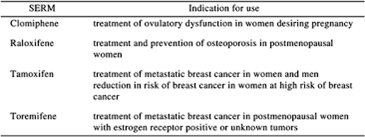
Raloxifene is a medication used to treat and prevent osteoporosis in postmenopausal women. It helps to prevent bone loss and reduce the risk of fractures.
Choice D rationale:
Raloxifene is not used to treat hypothyroidism; it's primarily focused on bone health.
Whether you are a student looking to ace your exams or a practicing nurse seeking to enhance your expertise , our nursing education contents will empower you with the confidence and competence to make a difference in the lives of patients and become a respected leader in the healthcare field.
Visit Naxlex, invest in your future and unlock endless possibilities with our unparalleled nursing education contents today