
A nurse is caring for an infant who is to undergo surgery.
The nurse should identify which of the following individuals should sign the consent form?
The mother's 21-year-old sibling.
The infant's provider.
The infant's grandparent.
The infant's 17-year-old mother.
The Correct Answer is D
In general, parental (or legal guardian) consent is required for any diagnostic or surgical procedure performed on a child under the age of 181.
Choice A is wrong because the mother’s 21-year-old sibling is not a parent or legal guardian of the infant.
Choice B is wrong because the infant’s provider cannot sign the consent form on behalf of the infant.
Choice C is wrong because the infant’s grandparent cannot sign the consent form unless they are a legal guardian of the infant.
Nursing Test Bank
Naxlex Comprehensive Predictor Exams
Related Questions
Correct Answer is A
Explanation
The priority intervention for a client with a new diagnosis of terminal cancer is to discuss the client’s prior coping mechanisms.
This can help the nurse understand how the client has dealt with difficult situations in the past and can provide insight into how the client may cope with their current diagnosis.
Choice B is wrong because while teaching the client to use progressive relaxation techniques may be helpful in managing stress and anxiety, it is not the priority intervention.
Choice C is wrong because while helping the client find a local support group may provide emotional support, it is not the priority intervention.
Choice D is wrong because while developing a list of goals with the client may provide direction and focus, it is not the priority intervention.
Correct Answer is B
Explanation
The nurse should first identify the impact of the mastectomy on the client’s body image.
This is because the client’s behavior of avoiding looking at her dressings and being tearful suggests that she may be struggling with changes to her body image after the surgery.
By identifying and addressing this issue, the nurse can provide appropriate emotional support and interventions to help the client cope with these changes.
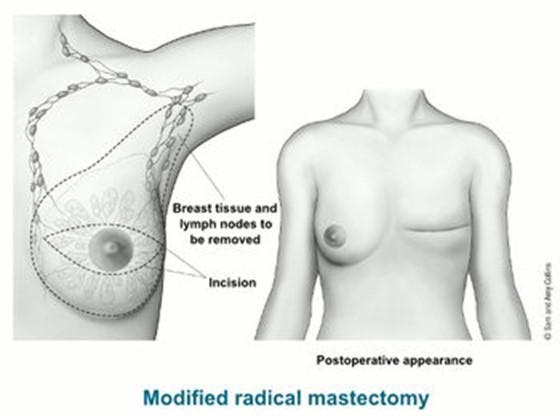
Choice A is not the first action the nurse should take because referring the client to a breast cancer support group may be helpful, but it is not addressing the immediate concern of the client’s emotional state.
Choice C is not the first action because encouraging the client to assist with her dressing changes may be premature if she is still struggling emotionally with her body image.
Choice D is not the first action because providing the client with a mirror to look at her mastectomy incisions may be overwhelming for her if she is not yet ready to confront her changed appearance.
Whether you are a student looking to ace your exams or a practicing nurse seeking to enhance your expertise , our nursing education contents will empower you with the confidence and competence to make a difference in the lives of patients and become a respected leader in the healthcare field.
Visit Naxlex, invest in your future and unlock endless possibilities with our unparalleled nursing education contents today