
A nurse is collecting data from an older adult client who has cystitis. Which of the following findings should the nurse anticipate?
Hypothermia
Referred pain in the right shoulder
Confusion
Orange-colored urine
The Correct Answer is C
Choice c: Confusion is a finding that the nurse should anticipate in an older adult client who has cystitis, which is inflammation of the bladder caused by a bacterial infection. Confusion can be a sign of sepsis or delirium, which are common complications of urinary tract infections in older adults.
Choice a is not correct because hypothermia is not a finding that the nurse should anticipate in an older adult client who has cystitis. Hypothermia can occur in older adults due to impaired thermoregulation, but it is not related to cystitis.
Choice b is not correct because referred pain in the right shoulder is not a finding that the nurse should anticipate in an older adult client who has cystitis. Referred pain in the right shoulder can indicate gallbladder disease, but it is not related to cystitis.
Choice d is not correct because orange-colored urine is not a finding that the nurse should anticipate in an older adult client who has cystitis. Orange-colored urine can be caused by certain medications, foods, or dehydration, but it is not related to cystitis.
Nursing Test Bank
Naxlex Comprehensive Predictor Exams
Related Questions
Correct Answer is D
Explanation
Choice A reason: Maintaining the client on bed rest is not an appropriate action, as it can increase the risk of thromboembolism, infection, or atelectasis after surgery. The nurse should encourage early ambulation and exercise as tolerated by the client.
Choice B reason: Decreasing the client's fluid intake is not an appropriate action, as it can cause dehydration, constipation, or impaired wound healing after surgery. The nurse should encourage adequate hydration and nutrition to promote recovery and drainage.
Choice C reason: Applying cold compresses to the site is not an appropriate action, as it can cause vasoconstriction, inflammation, or pain at the site. The nurse should apply warm compresses to the site to facilitate drainage and reduce swelling.
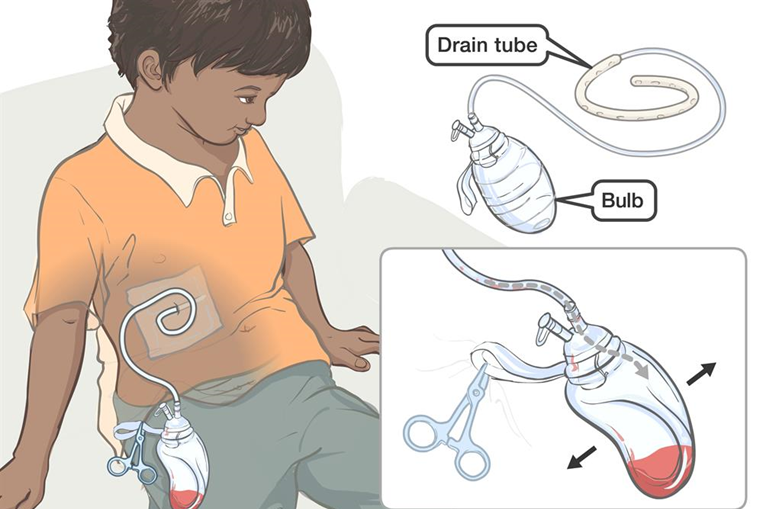
Choice D reason: Placing the right leg in a dependent position is an appropriate action, as it can promote gravity-assisted drainage from the site and prevent fluid accumulation or infection. The nurse should place the drain below the level of the wound and secure it to prevent dislodgment or tension.
Correct Answer is A
Explanation
Choice A reason: BUN or blood urea nitrogen 30 mg/dL is above the normal range of 10 to 20 mg/dL and indicates renal impairment or dehydration, which can be caused by contrast dye used during coronary angiography or blood loss during or after the procedure. The nurse should report this value to the provider and monitor the client for signs of acute kidney injury, such as oliguria, edema, or electrolyte imbalances.
Choice B reason: Sinus rhythm 95/min on a cardiac monitor is within the normal range of 60 to 100/min and does not indicate any cardiac arrhythmia or ischemia.
Choice C reason: Respiratory rate 12/min is within the normal range of 12 to 20/min and does not indicate any respiratory distress or hypoxia.
Choice D reason: PTT or partial thromboplastin time 25 seconds is within the normal range of 25 to 35 seconds and does not indicate any bleeding disorder or anticoagulant therapy.
Whether you are a student looking to ace your exams or a practicing nurse seeking to enhance your expertise , our nursing education contents will empower you with the confidence and competence to make a difference in the lives of patients and become a respected leader in the healthcare field.
Visit Naxlex, invest in your future and unlock endless possibilities with our unparalleled nursing education contents today