
A nurse is contributing to the plan of care for a client who is experiencing a herpes simplex outbreak. Which of the following interventions should the nurse recommend?
Avoid over-the-counter topical ointments
Cleanse skin eruptions with povidone-iodine
Administer an antibiotic medication
Place disposable thermometers in the client's room
The Correct Answer is B
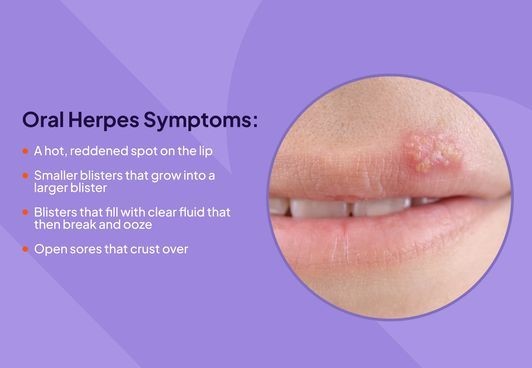
B. Herpes simplex is a viral infection that causes skin eruptions or lesions. To promote healing and prevent secondary infections, it is important to keep the affected area clean. Cleansing the skin eruptions with povidone-iodine, an antiseptic solution, can help reduce the risk of infection and promote healing.
The other options are incorrect:
A. Over-the-counter topical ointments are generally not recommended for the treatment of herpes simplex outbreaks. It is best to consult with a healthcare provider for appropriate medication and treatment options.
C.Herpes simplex is a viral infection, and antibiotics are used to treat bacterial infections. Antibiotics are not effective against viral infections like herpes simplex.
D. Placing disposable thermometers in the client's room is not directly related to the management of a herpes simplex outbreak. It is important to focus on interventions specific to the client's condition.
Nursing Test Bank
Naxlex Comprehensive Predictor Exams
Related Questions
Correct Answer is B
Explanation
B. Herpes simplex is a viral infection that causes skin eruptions or lesions. To promote healing and prevent secondary infections, it is important to keep the affected area clean. Cleansing the skin eruptions with povidone-iodine, an antiseptic solution, can help reduce the risk of infection and promote healing.
The other options are incorrect:
A. Over-the-counter topical ointments are generally not recommended for the treatment of herpes simplex outbreaks. It is best to consult with a healthcare provider for appropriate medication and treatment options.
C.Herpes simplex is a viral infection, and antibiotics are used to treat bacterial infections. Antibiotics are not effective against viral infections like herpes simplex.
D. Placing disposable thermometers in the client's room is not directly related to the management of a herpes simplex outbreak. It is important to focus on interventions specific to the client's condition.
Correct Answer is C
Explanation
Phenytoin is known to cause gingival hyperplasia, which is characterized by swollen and enlarged gums. This side effect is more common in long-term use and may require dental care and regular oral hygiene practices.
Phenytoin is known to be associated with an increased risk of birth defects in babies born to women taking the medication during pregnancy. It is important for women of childbearing age to discuss the risks and benefits of phenytoin with their healthcare provider and use effective contraception to avoid pregnancy while taking the medication.
Phenytoin can affect liver function, so regular monitoring of liver enzymes and blood levels of the medication is necessary. The frequency of blood work may vary depending on the individual's specific situation, so it is important to follow the healthcare provider's instructions. It is not advisable to skip a dose of phenytoin without consulting a healthcare provider.
Abruptly stopping or missing doses of antiepileptic medications can lead to breakthrough seizures or other complications. Any changes in the medication regimen should be discussed with the healthcare provider.
Whether you are a student looking to ace your exams or a practicing nurse seeking to enhance your expertise , our nursing education contents will empower you with the confidence and competence to make a difference in the lives of patients and become a respected leader in the healthcare field.
Visit Naxlex, invest in your future and unlock endless possibilities with our unparalleled nursing education contents today