
A nurse is counseling a client diagnosed with bulimia nervosa about the symptom of tooth enamel deterioration.
Which explanation for this complication of bulimia nervosa should the nurse provide?
Food is rapidly ingested without proper mastication.
The emesis produced during purging is acidic and corrodes the tooth enamel.
Poor dental and oral hygiene leads to dental caries.
Purging causes the depletion of dietary calcium.
The Correct Answer is B
When people with bulimia nervosa frequently engage in self-induced vomiting, the gastric acids in their vomit can damage the tooth enamel.
This is called dental erosion and can create “bulimia teeth”.
Choice A, Food is rapidly ingested without proper mastication, is incorrect because it does not directly relate to tooth enamel deterioration.
Choice C, Poor dental and oral hygiene leads to dental caries, is incorrect because it refers to a different dental issue.
Choice D, Purging causes the depletion of dietary calcium, is incorrect because it does not directly relate to tooth enamel deterioration.
Nursing Test Bank
Naxlex Comprehensive Predictor Exams
Related Questions
Correct Answer is B
Explanation
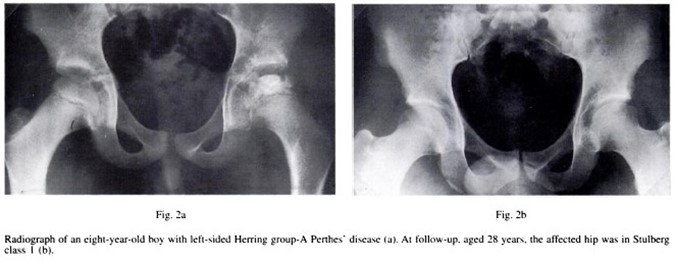
Radiographs are vital to the diagnosis of Legg-Calve-Perthes disease.
Initial X-rays might look normal because it can take one to two months after symptoms begin for the changes associated with Legg-Calve-Perthes disease to become evident on X-rays.
The doctor will likely recommend several X-rays over time, to track the progression of the disease.
Bone biopsy is not a diagnostic procedure for Legg-Calve-Perthes disease.
MRI can visualize bone damage caused by Legg-Calve-Perthes disease more clearly than X-rays can but are not always necessary.
Genetic testing is not a diagnostic procedure for Legg-Calve-Perthes disease.
Correct Answer is C
Explanation
The proof of pregnancy is in the pregnancy test.
A positive office pregnancy test would confirm the pregnancy.

Choice A, Chadwick’s sign, is not correct because it is not a definitive sign of pregnancy.
Choice B, Hegar’s sign, is also not correct because it is not a definitive sign of pregnancy.
Choice D, Fetal movement felt by the examiner, is not correct because it is not a definitive sign of pregnancy.
Whether you are a student looking to ace your exams or a practicing nurse seeking to enhance your expertise , our nursing education contents will empower you with the confidence and competence to make a difference in the lives of patients and become a respected leader in the healthcare field.
Visit Naxlex, invest in your future and unlock endless possibilities with our unparalleled nursing education contents today