
A nurse is preparing to assess a newborn who is post-term. Which of the following findings should the nurse expect? (Select all that apply)
Vernix in the folds and creases
Abundant lanugo
Positive Moro reflex
Cracked peeling skin
Short soft fingernails
Correct Answer : A,C,D
Choice A reason:
Vernix in the folds and creases: Vernix caseosa is a white, cheese-like substance that covers the skin of the fetus. In post-term newborns, vernix is typically absent or only present in small amounts in the folds and creases of the skin.
Choice B reason:
Abundant lanugo: Lanugo is fine, soft hair that covers the body of the fetus. It is usually shed before birth, and post-term infants typically have little to no lanugo.
Choice C reason:
Positive Moro reflex: The Moro reflex, or startle reflex, is a normal reflex for an infant when they feel as if they are falling. This reflex is present at birth and usually disappears by 4 months of age.
Choice D reason:
Cracked peeling skin: Post-term infants often have dry, cracked, and peeling skin due to prolonged exposure to amniotic fluid.
Choice E reason:
Short soft fingernails: Post-term infants usually have long fingernails, not short and soft ones.
Nursing Test Bank
Naxlex Comprehensive Predictor Exams
Related Questions
Correct Answer is B
Explanation
Choice A Reason:
The Apgar score is a quick test performed on a newborn at 1 and 5 minutes after birth. The 5 criteria assessed are Appearance (skin color), Pulse (heart rate), Grimace response (reflexes), Activity (muscle tone), and Respiration (breathing effort). Each criterion is scored on a scale of 0 to 2, with 2 being the best score. The total score is calculated by adding the scores of all five criteria, with a maximum possible score of 10.
For this newborn:
• Appearance: The newborn has a pink trunk and head but bluish hands and feet, which scores 1 point12.
• Pulse: The heart rate is 130/min, which scores 2 points1.
• Grimace: The newborn has a weak, slow cry, which scores 1 point3.
• Activity: The newborn has flexed extremities, which scores 1 point3.
• Respiration: The newborn has a weak, slow cry, which scores 1 point3.
Adding these scores: 1 (Appearance) + 2 (Pulse) + 1 (Grimace) + 1 (Activity) + 1 (Respiration) = 6.
Choice B Reason:
This choice is correct. As explained above, the total Apgar score for this newborn is 6. The breakdown of the scores is as follows:
• Appearance: 1 point for pink trunk and head, bluish hands and feet.
• Pulse: 2 points for a heart rate of 130/min.
• Grimace: 1 point for a weak, slow cry.
• Activity: 1 point for flexed extremities.
• Respiration: 1 point for a weak, slow cry.
Choice C Reason:
This choice is incorrect. A score of 7 would require higher scores in one or more of the criteria. For example, if the newborn had a strong cry (2 points for Grimace and Respiration) or if the entire body was pink (2 points for Appearance), the total score would be higher.
Choice D Reason:
This choice is incorrect. A score of 8 would require even higher scores in the criteria. For instance, if the newborn had a strong cry and the entire body was pink, the total score would be 8 or higher.
Choice E Reason:
This choice is incorrect. A score of 9 would require almost perfect scores in all criteria, which is not the case for this newborn. The newborn’s weak, slow cry and bluish hands and feet lower the total score.
Correct Answer is A
Explanation
Choice A reason:
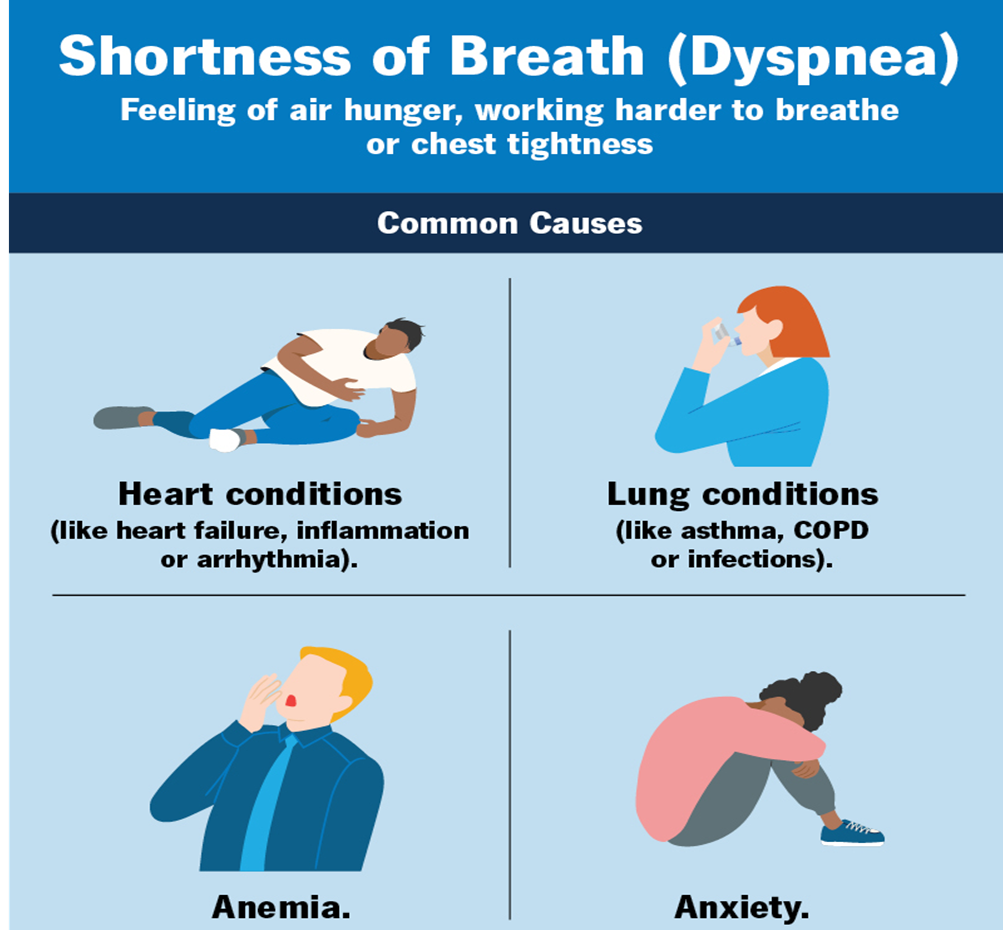
Dyspnea: Dyspnea, or difficulty breathing, is a serious adverse effect that should be reported immediately. Terbutaline can cause pulmonary edema, a condition where fluid accumulates in the lungs, leading to severe breathing difficulties. This side effect is critical and requires prompt medical attention to prevent further complications.
Choice B reason:
Headaches: While headaches are a common side effect of terbutaline, they are generally not considered severe enough to require immediate reporting unless they are persistent or unusually intense. Headaches can be managed with over-the-counter pain relief and do not typically indicate a serious problem.
Choice C reason:
Nervousness: Nervousness is another common side effect of terbutaline. It is usually mild and does not require immediate medical intervention. However, if the nervousness is severe or accompanied by other symptoms, it should be discussed with a healthcare provider.
Choice D reason:
Tremors: Tremors are a known side effect of terbutaline and are usually not severe. They occur due to the medication’s action on the nervous system. While they can be bothersome, they are not typically dangerous and do not require urgent reporting unless they are severe or persistent.
Whether you are a student looking to ace your exams or a practicing nurse seeking to enhance your expertise , our nursing education contents will empower you with the confidence and competence to make a difference in the lives of patients and become a respected leader in the healthcare field.
Visit Naxlex, invest in your future and unlock endless possibilities with our unparalleled nursing education contents today