
A nurse is preparing to perform hand hygiene. Which of the following actions should the nurse take?
Rub hands and arms to dry.
Adjust the water temperature to feel hot.
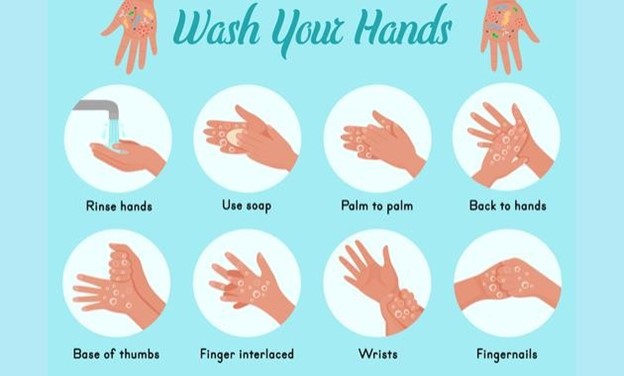
Apply 4 to 5 mL of liquid soap to the hands.
Hold the hands higher than the elbows.
The Correct Answer is C
A. Rubbing hands and arms to dry is not the correct action for hand hygiene. After applying soap, hands should be rinsed thoroughly with water and then dried using a clean towel or air dryer.
B. Adjusting the water temperature to feel hot is not recommended for hand hygiene.
Water that is too hot can be uncomfortable and may even cause skin irritation. The water should be comfortably warm.
C. Applying 4 to 5 mL of liquid soap to the hands is the correct action. This provides an adequate amount of soap to create a good lather for effective handwashing.
D. Holding the hands higher than the elbows is not a necessary step for hand hygiene.
The focus should be on thoroughly cleaning the hands, not on the position of the hands in relation to the elbows.
Nursing Test Bank
Naxlex Comprehensive Predictor Exams
Related Questions
Correct Answer is C
Explanation
A. Inguinal canal is not the correct location for assessing the posterior tibial pulse. This area is associated with the femoral pulse.
B. The knee is not the correct location for assessing the posterior tibial pulse. This area is not directly related to the posterior tibial pulse.
C. The lower third of the tibia, anterior aspect is the correct location for palpating the posterior tibial pulse. This pulse can be found on the inside of the ankle, slightly below and behind the medial malleolus.
D. Dorsal aspect of the foot is where the dorsalis pedis pulse is located, not the posterior tibial pulse.
Correct Answer is ["B","C","D","E","F"]
Explanation
A. Potassium level is incorrect because it is within the normal range and does not affect wound healing directly.
B. Prealbumin level is correct because it is low, indicating malnutrition and poor protein intake, which are essential for tissue repair and immune function.
C. History of diabetes mellitus is correct because it causes impaired blood flow, increased risk of infection, and delayed inflammatory response, which all hinder wound healing.
D. History of hyperlipidemia is correct because it causes atherosclerosis and reduced blood supply to the affected area, which limits oxygen and nutrient delivery to the wound.
E. Wound infection is correct because it increases inflammation, tissue damage, and metabolic demands, which prolong the healing process and may lead to complications.
F. Decreased pedal perfusion is correct because it indicates poor circulation to the lower extremities, which impairs wound healing by reducing oxygen and nutrient delivery to
the wound.
G. Fasting blood glucose is incorrect because it is not a direct cause of delayed wound healing, but rather a reflection of the client's diabetes management. However, high blood glucose levels can impair wound healing by affecting blood flow, immune function, and collagen synthesis.
Whether you are a student looking to ace your exams or a practicing nurse seeking to enhance your expertise , our nursing education contents will empower you with the confidence and competence to make a difference in the lives of patients and become a respected leader in the healthcare field.
Visit Naxlex, invest in your future and unlock endless possibilities with our unparalleled nursing education contents today