
A nurse is preparing to provide tracheostomy care for a client.
Which of the following actions should the nurse plan to take?
Clean the stoma using an inward to outward circular motion.
Cleanse the inner cannula with isopropyl alcohol.
Ensure at least three finger widths of space under tracheostomy ties.
Prepare sterile supplies after removing the inner cannula.
The Correct Answer is A
a. Clean the stoma using an inward to outward circular motion.
When providing tracheostomy care, the nurse should clean the stoma using an inward to outward circular motion to remove any secretions or debris. It is important to avoid using excessive force or pressure, which can cause trauma to the stoma. Cleansing the inner cannula with isopropyl alcohol may be appropriate for some clients, but it is important to follow the healthcare provider's orders regarding inner cannula care.
When securing the tracheostomy ties, the nurse should ensure that there is enough space for two fingers, not three. Finally, the nurse should prepare sterile supplies before removing the inner cannula to ensure that they are readily available and reduce the risk of infection.
Nursing Test Bank
Naxlex Comprehensive Predictor Exams
Related Questions
Correct Answer is B
Explanation
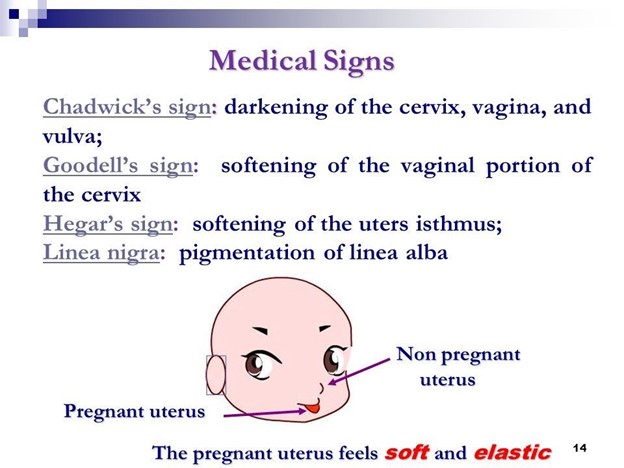
Chadwick's sign is a bluish or purplish discoloration of the cervix, vagina, and vulva that can occur during pregnancy. It is caused by increased blood flow and vascular changes in the area. It is considered a normal finding in early pregnancy and is often used as a sign to support the diagnosis of pregnancy.
Ballottement refers to a palpable rebound of the fetus when the examiner pushes on the mother's abdomen.
Hegar's sign is the softening and compressibility of the lower uterine segment, which can be felt during a bimanual examination.
Chloasma refers to the development of hyperpigmented patches on the face, often referred to as the "mask of pregnancy."
Correct Answer is ["C","D","E","F"]
Explanation
c, d, e, and f.
a.An advance directive does not automatically discontinue further care. It simply provides guidance to healthcare providers on the client's wishes for medical treatment. It is important for the nurse to explain this to the client and ensure that they understand the purpose of an advance directive.
b. While nurses can provide information and support the client in understanding the importance of having a power of attorney for healthcare, initiating such documents is typically not within the scope of nursing practice. This task usually requires legal guidance and formalities that go beyond nursing responsibilities.
c.Accurate documentation is crucial in healthcare. If a provider discusses do-not-resuscitate (DNR) status with a client, it must be documented in the client's medical record to ensure that all healthcare team members are aware of the client’s wishes.
d. Provide the client with writen information about advance directives: It is important for the nurse to provide the client with writen information about advance directives, including their rights and options for creating an advance directive. This information should be provided in a clear and understandable manner.
e. Communicate advance directives status via the medical record and shift report: The nurse should communicate the client's advance directives status to other members of the healthcare team via the medical record and shift report. This ensures that everyone involved in the client's care is aware of the client's wishes and can provide care that is consistent with those wishes.
f. Instruct the client that an advance directive is a legal document and must be honored by care providers: The nurse should instruct the client that an advance directive is a legal document that must be honored by care providers. This ensures that the client understands the importance of their advance directive and can advocate for their wishes if necessary.

Whether you are a student looking to ace your exams or a practicing nurse seeking to enhance your expertise , our nursing education contents will empower you with the confidence and competence to make a difference in the lives of patients and become a respected leader in the healthcare field.
Visit Naxlex, invest in your future and unlock endless possibilities with our unparalleled nursing education contents today