
A nurse is providing teaching about increasing dietary fiber to an antepartum client who reports constipation. Which of the following food selections has the highest fiber content per cup?
Lentils
Asparagus
Oatmeal
Cabbage
The Correct Answer is A
This is the food selection that has the highest fiber content per cup. According to the web search results, one cup of cooked lentils provides about 15.6 grams of fiber, which is more than half of the minimum daily requirement²³ . Lentils are also rich in protein, iron, and folate, which are important nutrients for pregnant women.
The other food selections have lower fiber content per cup.
b) Asparagus
Asparagus is a green vegetable that is high in vitamin K, folate, and antioxidants. However, it is not very high in fiber. One cup of cooked asparagus provides only about 2.8 grams of fiber².
c) Oatmeal
Oatmeal is a whole grain that is high in beta-glucan, a type of soluble fiber that can lower cholesterol and blood sugar levels. However, it is not the highest in fiber among the food selections. One cup of cooked oatmeal provides about 4 grams of fiber.
d) Cabbage
Cabbage is a cruciferous vegetable that is low in calories and high in vitamin C, vitamin K, and glucosinolates. However, it is not very high in fiber. One cup of cooked cabbage provides only about 2.9 grams of fiber².
Nursing Test Bank
Naxlex Comprehensive Predictor Exams
Related Questions
Correct Answer is ["B","C","D"]
Explanation
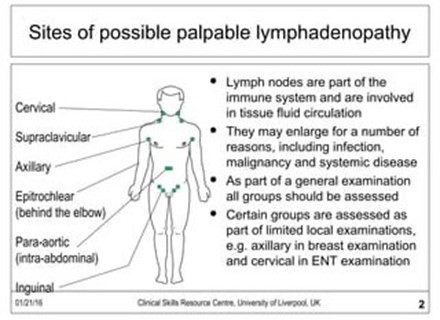
Assessing unilaterally is not recommended as it may lead to missing important findings on one side.
Correct Answer is B
Explanation
The nurse will document the patient's chest pains that move down her left arm as radiating pain. Radiating pain is a type of pain that starts at a specific point and spreads outwards to other areas of the body. In this case, the pain starts in the chest and moves down the left arm, which is a common symptom of cardiac or heart-related issues. Phantom pain is a type of pain that is perceived to be present in a body part that has been amputated or lost. Referred pain is pain that is felt in a different part of the body from where the actual problem is located. Somatic pain is pain that arises from the skin, muscles, bones, or connective tissues.

Whether you are a student looking to ace your exams or a practicing nurse seeking to enhance your expertise , our nursing education contents will empower you with the confidence and competence to make a difference in the lives of patients and become a respected leader in the healthcare field.
Visit Naxlex, invest in your future and unlock endless possibilities with our unparalleled nursing education contents today