
A nurse is providing teaching for a 20-year-old adolescent who has syphilis. Which of the following statements should the nurse make?
"You need to come back in a week for retesting."
“I have to notify the public health department."
“I have to contact your parents."
“Let’s review the side effects of metronidazole."
The Correct Answer is B
Rationale:
A. Retesting in a week may be necessary, but notifying the public health department is a more immediate concern.
B. Notifying the public health department is essential for contact tracing and preventing the spread of syphilis.
C. Involving the patient's parents may not be appropriate for a 20-year-old patient.
D. Metronidazole is not typically used to treat syphilis; penicillin or other antibiotics are the standard treatment.
Nursing Test Bank
Naxlex Comprehensive Predictor Exams
Related Questions
Correct Answer is B
Explanation
Rationale:
A. Capillary refill time of 3 seconds is within the normal range (less than 3 seconds) and does not indicate severe dehydration.
B. A sunken anterior fontanel is a significant sign of dehydration in infants and suggests severe dehydration.
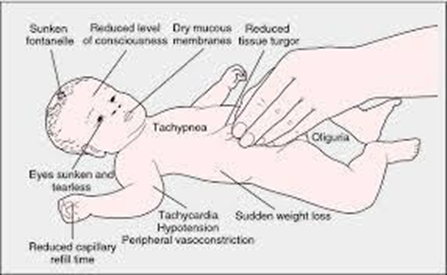
C. While a weight loss of 5% can indicate dehydration, it may not necessarily represent severe dehydration. The extent of dehydration is better assessed by clinical signs such as fontanel status, skin turgor, and mucous membrane moisture.
D. Producing tears when crying is a reassuring sign and suggests adequate hydration, so it does not indicate severe dehydration.
Correct Answer is A
Explanation
Rationale:
A. Assessing the risk of self-harm or suicide is the top priority when caring for a patient with major depressive disorder. It allows the nurse to intervene immediately if there's a risk of harm.
B. While group therapy can be beneficial for individuals with depression, it's not the first priority when assessing for safety concerns.
C. Administering antidepressants may be part of the treatment plan, but it's essential to assess the immediate risk of self-harm before proceeding with medication administration.
D. Assisting with activities of daily living is important, but it's not the first action to take when assessing for safety in a patient with major depressive disorder.
Whether you are a student looking to ace your exams or a practicing nurse seeking to enhance your expertise , our nursing education contents will empower you with the confidence and competence to make a difference in the lives of patients and become a respected leader in the healthcare field.
Visit Naxlex, invest in your future and unlock endless possibilities with our unparalleled nursing education contents today