
A nurse is providing teaching to a client about the manifestations of uterine prolapse. Which of the following statements by the client should indicate to the nurse a need for further teaching?
"The symptoms can get worse with penile penetration during intercourse."
"A sensation of pressure in the pelvis can occur."
"Low back pain can occur frequently."
"Feces can be present in the vagina."
The Correct Answer is D
Choice A reason:
The statement that symptoms can worsen with penile penetration during intercourse is partially correct. While sexual activity may exacerbate feelings of bulging or discomfort associated with uterine prolapse, it does not typically worsen the prolapse itself⁹. Painful intercourse, known as dyspareunia, is a common symptom of pelvic organ prolapse, which includes uterine prolapse.
Choice B reason:
Feeling a sensation of pressure in the pelvis is a classic symptom of uterine prolapse. As the uterus descends into the vaginal canal, it can create a sensation of fullness or pressure that is often noticeable and uncomfortable for the patient.
Choice C reason:
Low back pain is indeed a symptom that can be associated with uterine prolapse. The weakening of pelvic floor muscles and ligaments that leads to prolapse can also contribute to discomfort in the lower back.
Choice D reason:
The presence of feces in the vagina would not be a direct symptom of uterine prolapse. However, a related condition called rectocele, where the rectum bulges into the vagina, could cause such a symptom. This condition is different from uterine prolapse and would require separate management.
Nursing Test Bank
Naxlex Comprehensive Predictor Exams
Related Questions
Correct Answer is A
Explanation
Choice A reason:
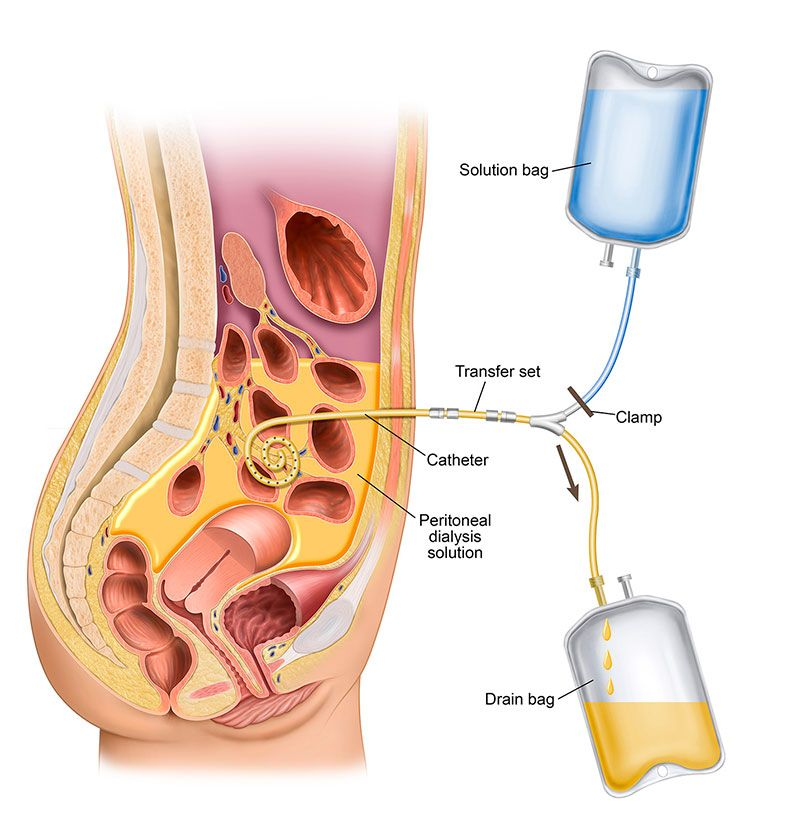
Nausea and vomiting are common symptoms of peritonitis, which can occur in clients receiving peritoneal dialysis. These symptoms result from the irritation and inflammation of the peritoneum, the membrane lining the abdominal cavity.
Choice B reason:
Hyperactive bowel sounds are not typically associated with peritonitis. In fact, bowel sounds may be diminished or absent due to the inflammatory process and potential ileus associated with peritonitis.
Choice C reason:
Bradycardia, or a slower than normal heart rate, is not a common manifestation of peritonitis. Peritonitis can cause tachycardia, an increased heart rate, as the body responds to inflammation and infection.
Choice D reason:
Increased urinary output is not a manifestation of peritonitis. Peritoneal dialysis involves the peritoneal cavity and not the urinary system directly. Peritonitis may actually lead to decreased urine output if the infection causes systemic effects.
Correct Answer is D
Explanation
Choice A reason:
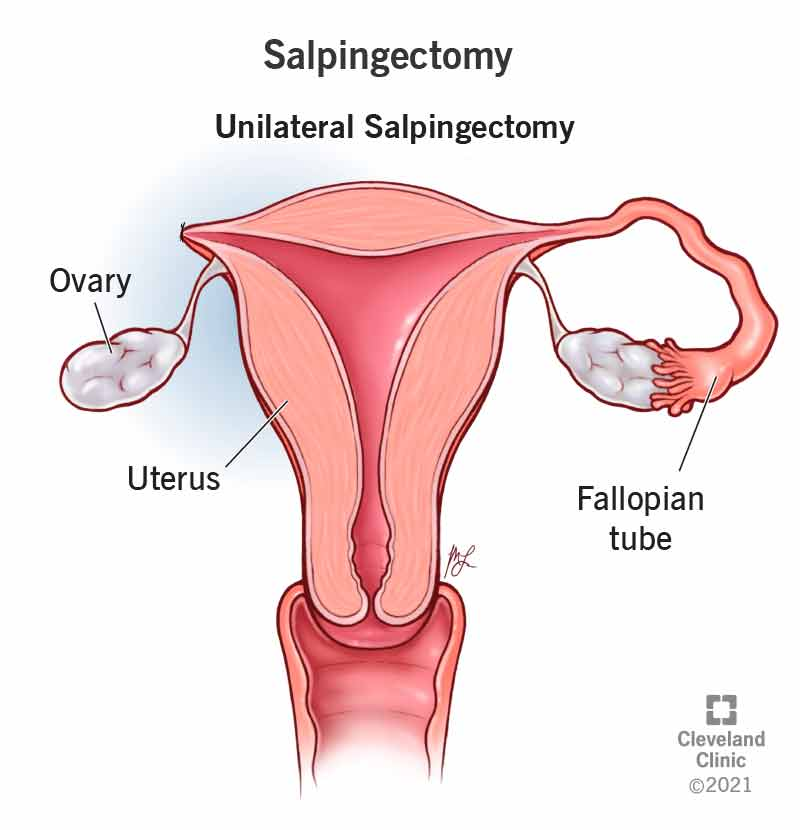
Cosmetic surgery is performed to improve the appearance of a body part. It is elective and usually not medically necessary. In the case of fallopian tube removal due to endometriosis, the surgery is not performed for aesthetic reasons but to relieve pain and treat a medical condition.
Choice B reason:
Diagnostic surgery is carried out to diagnose a condition. While endometriosis can be diagnosed through surgery, the removal of the fallopian tube in this scenario is not for diagnostic purposes but rather for treatment.
Choice C reason:
Constructive surgery is done to restore function or normal appearance by reconstructing defective organs or body parts. The removal of the fallopian tube for endometriosis does not fit this category as it does not aim to reconstruct but rather to remove a part causing pain.
Choice D reason:
Ablative surgery involves the removal of an organ or abnormal growth. It is often used to treat conditions that cause pain or to prevent further complications. The removal of the fallopian tube due to severe endometriosis falls under this category as it aims to alleviate symptoms and prevent further issues related to the condition.
Whether you are a student looking to ace your exams or a practicing nurse seeking to enhance your expertise , our nursing education contents will empower you with the confidence and competence to make a difference in the lives of patients and become a respected leader in the healthcare field.
Visit Naxlex, invest in your future and unlock endless possibilities with our unparalleled nursing education contents today