
A nurse is reinforcing teaching about meal planning with a client who has hypertension. Which of the following statements by the client indicates an understanding of the teaching?
"I can have a bologna sandwich."
"I can season food with vinegar."
"I can season food with ketchup."
"I can have canned soup."
The Correct Answer is B
Choice A reason: Having a bologna sandwich is not a good choice for a client who has hypertension, as bologna is a processed meat that contains high amounts of sodium and saturated fat, which can raise blood pressure and cholesterol levels.
Choice B reason: Seasoning food with vinegar is a good choice for a client who has hypertension, as vinegar is a low-sodium condiment that can add flavor and acidity to food without increasing blood pressure.
Choice C reason: Seasoning food with ketchup is not a good choice for a client who has hypertension, as ketchup is a high-sodium condiment that can increase blood pressure and fluid retention.
Choice D reason: Having canned soup is not a good choice for a client who has hypertension, as canned soup is a high-sodium food that can increase blood pressure and fluid retention. The client should choose low-sodium or homemade soup instead.

Nursing Test Bank
Naxlex Comprehensive Predictor Exams
Related Questions
Correct Answer is A
Explanation
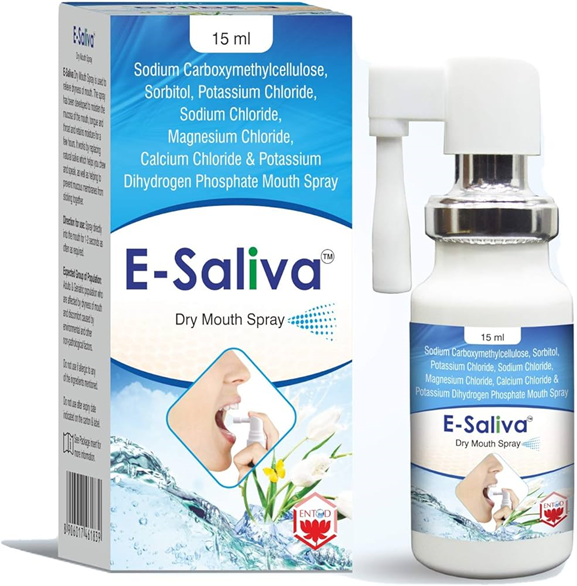
Choice A: This is correct because offering artificial saliva frequently can help moisten the mouth and improve the taste of food. Radiation therapy can cause dry mouth and altered taste sensation.
Choice B: This is incorrect because providing three large meals daily can be overwhelming and unappetizing for the client. The nurse should provide small, frequent meals that are high in protein and calories.
Choice C: This is incorrect because adding honey to sweeten fruit smoothies can irritate the throat and increase the risk of infection. The nurse should avoid foods that are acidic, spicy, or sticky.
Choice D: This is incorrect because heating food before serving can enhance the unpleasant taste and smell of food. The nurse should serve food cold or at room temperature.
Correct Answer is B
Explanation
Choice A reason: The thigh-high stockings should reach just below the gluteal folds, not above them. If the stockings are too high, they can cause constriction and impair circulation.
Choice B reason: Reapplying the stockings before getting out of bed is an appropriate action. The client should remove the stockings at night and inspect the skin for any signs of irritation or breakdown. The client should also elevate the legs for 15 minutes before putting on the stockings to reduce edema and improve venous return.
Choice C reason: Flexing the toes when applying the stockings is not an appropriate action. The client should point the toes and foot downward when applying the stockings to prevent wrinkles or folds that can cause pressure ulcers.
Choice D reason: Rolling down knee-high stockings slightly to provide comfort is not an appropriate action. The client should avoid rolling or folding the stockings as this can create a tourniquet effect and impair blood flow.
Whether you are a student looking to ace your exams or a practicing nurse seeking to enhance your expertise , our nursing education contents will empower you with the confidence and competence to make a difference in the lives of patients and become a respected leader in the healthcare field.
Visit Naxlex, invest in your future and unlock endless possibilities with our unparalleled nursing education contents today