
A nurse is working with a community health care team to devise strategies for preventing violence in the community. Which of the following interventions is an example of tertiary prevention?
Developing resources for victims of abuse
Presenting community education programs about stress management
Urging community leaders to make nonviolence a priority
Assessing for risk factors of intimate partner abuse during health examinations
The Correct Answer is A
. Tertiary prevention aims to prevent complications or further deterioration in individuals with existing health problems. Developing resources for victims of abuse is an example of tertiary prevention because it aims to prevent further harm to individuals who have already experienced violence. Presenting community education programs about stress management and urging community leaders to make nonviolence a priority are examples of primary prevention activities, which aim to prevent the occurrence of violence in the first place. Assessing for risk factors of intimate partner abuse during health examinations is an example of secondary prevention, which aims to detect violence early and intervene to prevent its progression.
Nursing Test Bank
Naxlex Comprehensive Predictor Exams
Related Questions
Correct Answer is A
Explanation
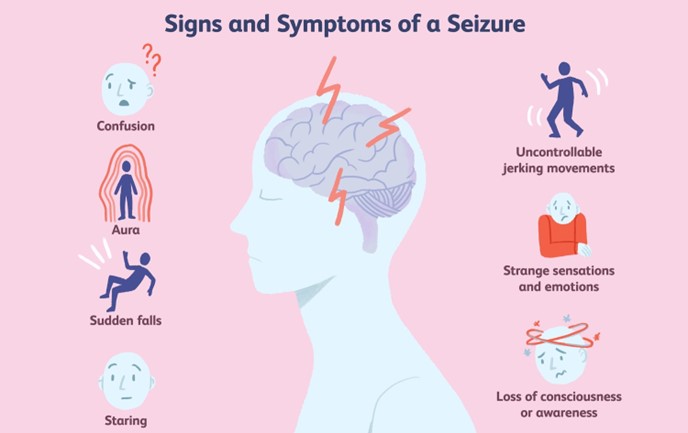
The correct answer is choice A, "Seizures." Manifestations of alcohol withdrawal can vary depending on the severity of the addiction, the duration and frequency of alcohol consumption, and the presence of other medical conditions. Seizures are a common manifestation of alcohol withdrawal, which can occur within 6 to 48 hours after the last drink. Other manifestations of alcohol withdrawal include tremors, anxiety, sweating, nausea and vomiting, tachycardia, hypertension, and hallucinations. These manifestations can be severe and life-threatening, especially if not managed appropriately. It is essential to monitor clients with alcohol withdrawal closely, administer medications as ordered, and ensure that clients receive appropriate medical care to prevent complications and promote recovery.
Correct Answer is C
Explanation
A.While insurance coverage is important, it is not a criterion for qualifying for hospice care. Hospice care focuses on providing comfort and support to terminally ill patients, regardless of insurance coverage.
B.Hospice care can be provided in various settings, including the home, hospice facilities, or inpatient units. The need for inpatient care due to a lack of a caregiver is not a criterion for hospice eligibility; rather, hospice focuses on the terminal nature of the illness.
C.Hospice careis a service for people with serious illnesses who choose not to get (or continue) treatment to cure or control their illness. People may choose to enroll in hospice care if the treatment is unlikely to be effective or if continuing it has become too burdensome.
D.Choice D states that the client has documentation stating they have less than 12 months to live. However, for hospice care eligibility, the standard criterion is a life expectancy ofsix months or less, as certified by a physician. This is a key distinction, as hospice care focuses on providing comfort and support during the final months of life, rather than extending life expectancy.
Whether you are a student looking to ace your exams or a practicing nurse seeking to enhance your expertise , our nursing education contents will empower you with the confidence and competence to make a difference in the lives of patients and become a respected leader in the healthcare field.
Visit Naxlex, invest in your future and unlock endless possibilities with our unparalleled nursing education contents today