
An individual with a history of antisocial personality disorder was arrested for driving under the influence of alcohol and causing a serious car accident. Which comment on this behavior would be expected?
"I'm too ashamed to talk about it."
"I'm really sorry about all the people I've hurt."
"I just don't remember doing it."
"It's not my fault."
The Correct Answer is D
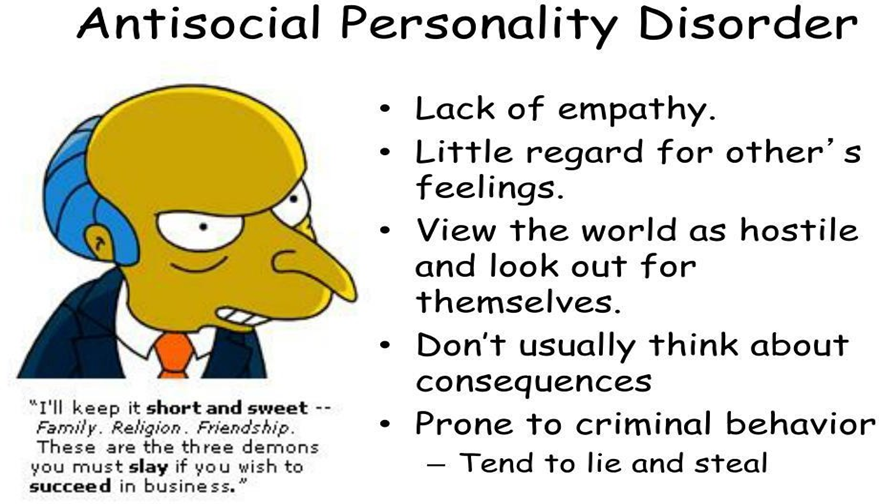
D. This response is consistent with the characteristics of antisocial personality disorder, which include a lack of remorse, as well as a tendency to rationalize behavior or blame others. Individuals with this disorder often fail to accept responsibility for their actions and may exhibit behaviors that are impulsive, reckless, and violate the rights of others without feeling guilty.
A. Individuals with antisocial personality disorder often lack remorse or empathy for the consequences of their actions and may not experience feelings of shame or guilt, even when their behavior results in harm to others.
B. Expressing genuine remorse or empathy for the harm caused to others is uncommon in individuals with antisocial personality disorder.
C. Claiming to have no memory of the behavior or the events leading up to it is a common defense mechanism used. This may serve to avoid accountability or responsibility for their actions, rather than indicating genuine memory impairment. However, it is not characteristic for antisocial personality disorder.
Nursing Test Bank
Naxlex Comprehensive Predictor Exams
Related Questions
Correct Answer is ["A","B","C"]
Explanation
A. herbal products are not subject to the same rigorous standards of quality, purity, and consistency. Therefore, it is essential for individuals to purchase herbal products from reputable manufacturers that adhere to good manufacturing practices and quality control measures to ensure product safety and efficacy.
B. Herbal products can interact with prescription medications, over-the-counter drugs, or other supplements, leading to potential adverse effects or reduced efficacy of treatment.
C. Like pharmaceutical drugs, herbal therapies can have side effects, interactions, and contraindications. Some herbs may cause adverse reactions, allergic responses, or interactions with medications, leading to potentially serious consequences.
D. Many cultures have used herbs for centuries for various health benefits, and research continues to explore the potential therapeutic effects of herbal remedies.
E. It is important to note that not all herbs are inherently harmful. Many herbs used in traditional medicine systems and herbal therapies have a long history of safe use when used appropriately and in recommended doses.
Correct Answer is D
Explanation
D. Acupuncture is based on the concept of Qi (pronounced "chee"), or vital energy, flowing along specific pathways or meridians in the body. The insertion of needles at specific points along these meridians is believed to regulate the flow of Qi, restoring balance and promoting healing.
A. Acupuncture primarily involves the insertion of thin needles into specific points on the body to stimulate nerve-rich areas, not the manipulation of the spinal column.
B. Acupuncture does not involve the ingestion of substances, but rather the insertion of needles into specific points on the body to stimulate energy flow.
C. Herbal remedies may be used in conjunction with acupuncture in traditional Chinese medicine but acupuncture itself does not involve the ingestion of substances.
Whether you are a student looking to ace your exams or a practicing nurse seeking to enhance your expertise , our nursing education contents will empower you with the confidence and competence to make a difference in the lives of patients and become a respected leader in the healthcare field.
Visit Naxlex, invest in your future and unlock endless possibilities with our unparalleled nursing education contents today