
An older adult diagnosed with Type II DM who is being treated with insulin wants to increase his activity level and begin a walking program. What recommendations should the nurse provide to this client?
Regular exercise should not exceed 30 minutes three times a week.
A walking program is not recommended for an older adult with diabetes.
Insulin can most probably be discontinued if the individual adheres to the walking program.
The walking regimen needs to be done on a regularly scheduled basis.
The Correct Answer is D
Choice A reason: Regular exercise should exceed 30 minutes three times a week, not not exceed. Exercise helps lower blood glucose levels and improve insulin sensitivity.
Choice B reason: A walking program is recommended for an older adult with diabetes, not not recommended. Walking is a low-impact, moderate-intensity exercise that can benefit people with diabetes.
Choice C reason: Insulin can not be discontinued if the individual adheres to the walking program, not most probably. Insulin is a vital hormone that regulates blood glucose levels and prevents complications from diabetes. Exercise alone is not enough to replace insulin therapy.
Choice D reason: The walking regimen needs to be done on a regularly scheduled basis. This is the correct answer because it helps the individual maintain a consistent blood glucose level and avoid hypoglycemia or hyperglycemia. It also helps the individual plan their insulin doses and meals accordingly.
Nursing Test Bank
Naxlex Comprehensive Predictor Exams
Related Questions
Correct Answer is ["A","C","D"]
Explanation
Choice A: Increase in physical activity
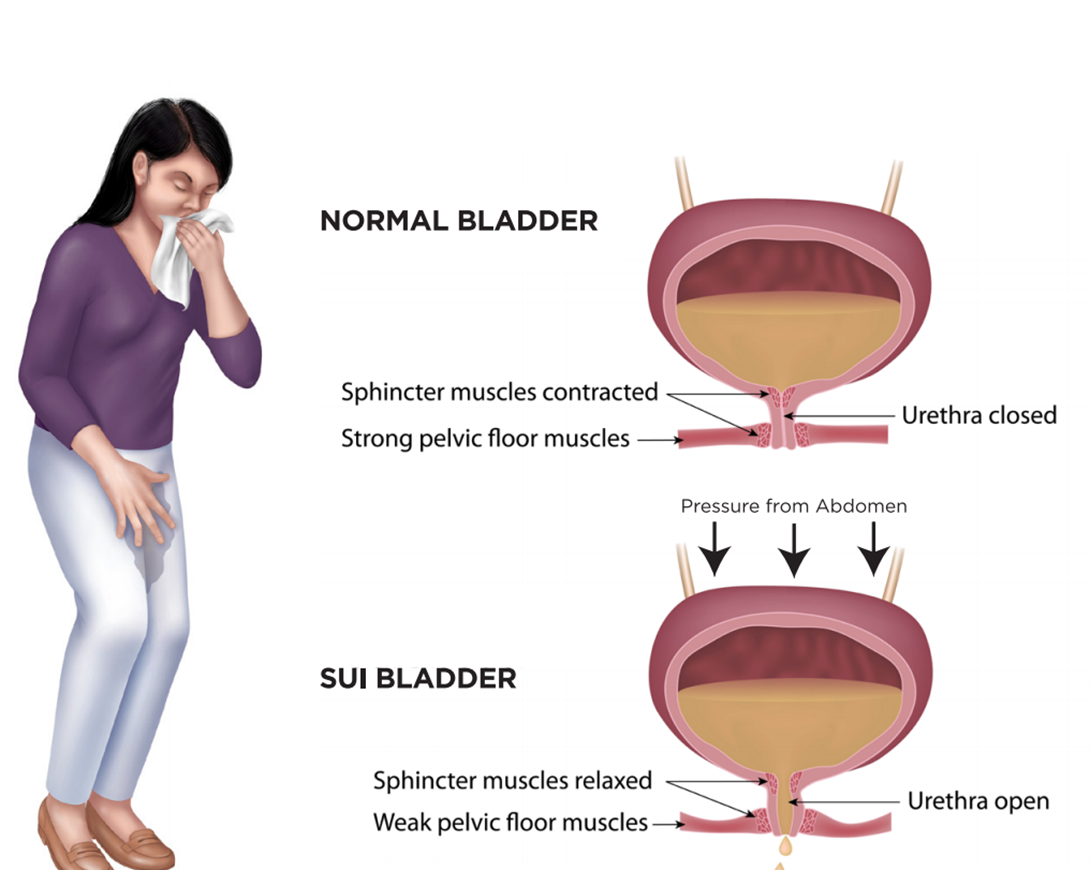
Physical activity can strengthen the muscles that help control urination. Exercises such as Kegels can specifically target these muscles, leading to improvements in urinary incontinence.
Choice B: Blood sugar control
While blood sugar control is important for overall health and can prevent complications from diabetes, it is not directly associated with improvements in urinary incontinence.
Choice C: Smoking cessation
Smoking can lead to coughing which puts pressure on the bladder and can exacerbate symptoms of urinary incontinence. Therefore, smoking cessation can lead to improvements.
Choice D: Weight reduction
Excess weight can put pressure on the bladder and surrounding muscles. Losing weight can reduce this pressure and improve symptoms of urinary incontinence.
There is no Choice E in this case. Each of these interventions can contribute to overall health and may indirectly affect urinary incontinence, but Choices A, C, and D are the most directly related to improvements in this condition.
Correct Answer is C
Explanation
Choice A reason: Raises all four side rails is not the best intervention, as it may not prevent the client from falling and may increase the risk of injury and entrapment. Raising all four side rails may also be considered a form of restraint, which should be avoided unless absolutely necessary.
Choice B reason: Orders a two-person assist with a transfer is not the best intervention, as it may not be appropriate for the client's level of mobility and may reduce the client's independence and self-esteem. The nurse should assess the client's ability to transfer and use the appropriate assistive device and number of staff to ensure safety and comfort.
Choice C reason: Gives the client a dry erase board is the best intervention, as it can facilitate the client's communication and expression of needs and preferences. The client may have difficulty speaking or writing due to the stroke, which can affect the language and motor areas of the brain. A dry erase board can allow the client to use simple words, symbols, or drawings to convey their messages.
Choice D reason: May need to incorporate repetition is not the best intervention, as it is not specific and may not be effective for the client's learning and retention. The nurse should use individualized and evidence-based strategies to teach the client and their family about the stroke, its effects, and the rehabilitation plan. Repetition may be one of the strategies, but not the only one.
Choice E reason: None of the above is not the correct answer, as there is one choice that is the best intervention for the nurse to implement when caring for this client.
Whether you are a student looking to ace your exams or a practicing nurse seeking to enhance your expertise , our nursing education contents will empower you with the confidence and competence to make a difference in the lives of patients and become a respected leader in the healthcare field.
Visit Naxlex, invest in your future and unlock endless possibilities with our unparalleled nursing education contents today