
Emily, 25, shows signs of ptosis, dysphagia, and respiratory distress. The tensilon test is positive, and her ABG shows a PaO2 of 70 mmHg. What is the most immediate nursing intervention?
Initiate mechanical ventilation
Administer high-dose corticosteroids
Administer neostigmine
Provide supplemental oxygen
The Correct Answer is A
A. Emily is showing signs of myasthenic crisis, a life-threatening condition characterized by severe weakness of respiratory muscles. Initiating mechanical ventilation is the most immediate intervention to ensure adequate oxygenation and ventilation.
B. Administering high-dose corticosteroids may be part of the treatment for myasthenia gravis but would not address the immediate need for respiratory support.
C. Neostigmine is a medication used to treat myasthenia gravis but may not provide rapid relief in a crisis situation.
D. Providing supplemental oxygen may help temporarily but would not address the underlying respiratory muscle weakness and need for mechanical ventilation.
Nursing Test Bank
Naxlex Comprehensive Predictor Exams
Related Questions
Correct Answer is D
Explanation
A. Reduction in saliva production is not directly related to the immune system; it's more associated with oral health.
B. Thickening of the skin is a normal part of aging but is not directly related to the immune system.
C. Weakening of the periosteum refers to the outer layer of bone, and while it can occur with aging, it's not directly relevant to the immune system.
D. Reduced ciliary action in the respiratory tract is a common age-related change that can compromise the body's ability to clear pathogens and debris from the respiratory system, thus increasing susceptibility to respiratory infections.
Correct Answer is A
Explanation
-
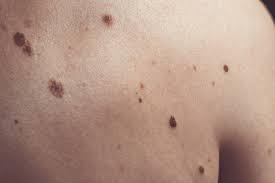
A. The nurse should focus on teaching Paul about the dangers of using a tanning booth weekly, as this is the risk factor that he can modify. A tanning booth exposes the skin to artificial ultraviolet (UV) radiation, which can damage the DNA of skin cells and increase the risk of developing malignant melanoma.
B. Dysplastic nevi (atypical moles) are also a nonmodifiable risk factor for melanoma.C. Family history of melanoma is a non-modifiable risk factor for melanoma unlike weekly use of a tanning booth which is modifiable.
D. Fair skin and blue eyes are additional risk factors for melanoma, but is non- modifiable.
Whether you are a student looking to ace your exams or a practicing nurse seeking to enhance your expertise , our nursing education contents will empower you with the confidence and competence to make a difference in the lives of patients and become a respected leader in the healthcare field.
Visit Naxlex, invest in your future and unlock endless possibilities with our unparalleled nursing education contents today