
Iron deficiency anemia often occurs during pregnancy as a result of
Decreased production of erythrocytes
Inadequate intake of iron
Dilution of hemoglobin concentration
The fetus establishing iron stores
The Correct Answer is B
Choice A: Decreased production of erythrocytes
This is not the primary cause of iron deficiency anemia during pregnancy. While erythrocyte production may be affected in certain conditions, it is not directly linked to iron deficiency anemia in pregnancy¹.
Choice B: Inadequate intake of iron
This is the correct answer. During pregnancy, the body needs more iron to make hemoglobin for the increased volume of blood. If the intake of iron is not sufficient, it could lead to iron deficiency anemia¹.
Choice C: Dilution of hemoglobin concentration
While it's true that the blood volume increases during pregnancy, leading to a relative dilution of hemoglobin, this is not the primary cause of iron deficiency anemia. The main issue is the lack of sufficient iron intake¹.
Choice D: The fetus establishing iron stores
While the fetus does require iron, which it gets from the mother, this is not the primary cause of iron deficiency anemia during pregnancy. The main issue is still the mother's inadequate intake of iron¹.
Nursing Test Bank
Naxlex Comprehensive Predictor Exams
Related Questions
Correct Answer is A
Explanation
Choice A reason: Assessing the fetal heart rate pattern is the priority nursing action following an amniotomy because it can indicate the well-being of the fetus and the presence of any complications, such as cord compression, prolapse, or infection.
Choice B reason: Observing the color and consistency of fluid is an important nursing action following an amniotomy, but it is not the priority. It can provide information about the gestational age, the presence of meconium, or the risk of infection.
Choice C reason: Assessing the client's temperature is an important nursing action following an amniotomy, but it is not the priority. It can help detect signs of infection, such as chorioamnionitis, which can affect both the mother and the fetus.
Choice D reason: Evaluating the client for the presence of chills and increased tenderness using palpation is an important nursing action following an amniotomy, but it is not the priority. It can also help detect signs of infection, such as chorioamnionitis, which can cause fever, abdominal pain, and uterine contractions.
Correct Answer is A
Explanation
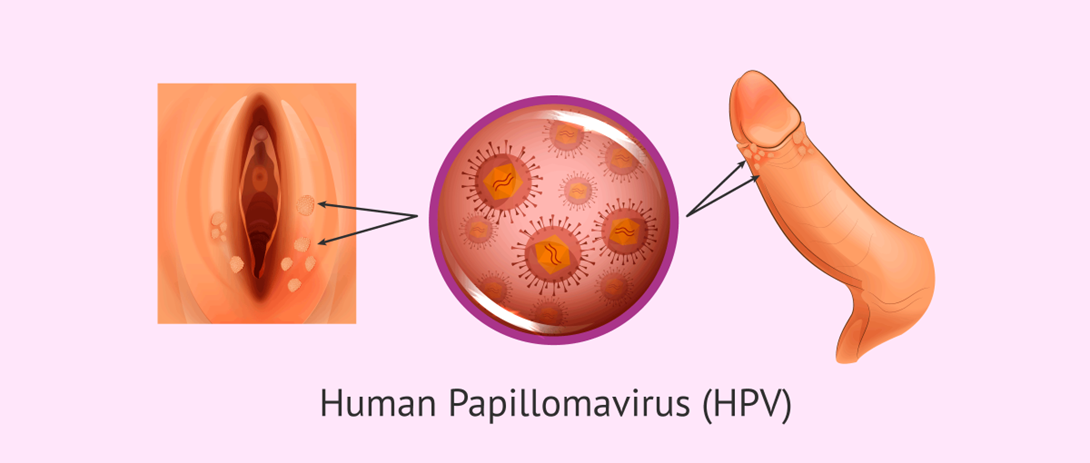
Choice A reason: HPV is a common STI that causes genital warts and can lead to cervical cancer. It can be transmitted by any sexual contact or by skin to skin contact. A vaccine is available to protect against some strains of HPV.
Choice B reason: Genital herpes is an STI that causes painful blisters and sores on the genitals. It can be transmitted by any sexual contact or by skin to skin contact. There is no vaccine for genital herpes, but antiviral medications can reduce the symptoms and frequency of outbreaks.
Choice C reason: Chlamydia is an STI that causes inflammation and discharge from the genitals. It can be transmitted by any sexual contact. There is no vaccine for chlamydia, but antibiotics can cure the infection.
Choice D reason: Gonorrhea is an STI that causes pain and discharge from the genitals. It can be transmitted by any sexual contact. There is no vaccine for gonorrhea, but antibiotics can cure the infection.
Whether you are a student looking to ace your exams or a practicing nurse seeking to enhance your expertise , our nursing education contents will empower you with the confidence and competence to make a difference in the lives of patients and become a respected leader in the healthcare field.
Visit Naxlex, invest in your future and unlock endless possibilities with our unparalleled nursing education contents today