
Martha, 70, complains of fatigue and anemia. She has a family history of Waldenstrom's macroglobulinemia. The healthcare provider orders Immunofixation Electrophoresis. Why is Immunofixation Electrophoresis important for Martha's case?
To assess kidney function
To assess lung function
To identify the type of abnormal protein
To quantify WBCS
The Correct Answer is C
A. Immunofixation electrophoresis is not primarily used to assess kidney function.
B. Immunofixation electrophoresis is not used to assess lung function.
C. Immunofixation electrophoresis is a laboratory technique used to identify and characterize abnormal proteins in the blood, which is essential in diagnosing conditions like Waldenstrom's macroglobulinemia.
D. Immunofixation electrophoresis is not used to quantify white blood cells (WBCs).
Nursing Test Bank
Naxlex Comprehensive Predictor Exams
Related Questions
Correct Answer is B
Explanation
A. A urine output of 300 ml/hr and low specific gravity are not indicative of normal renal function.
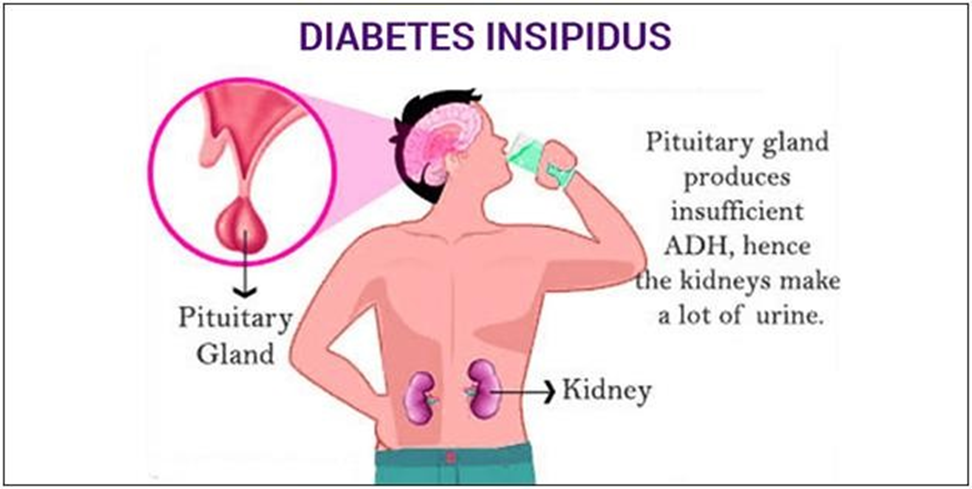
B. Diabetes insipidus is characterized by excessive urine output (polyuria) with low urine specific gravity.
C. Acute kidney injury would typically present with oliguria (decreased urine output) or anuria (absence of urine output).
D. Urinary tract infection would typically present with other signs such as dysuria, urgency, and possibly fever, but not necessarily altered urine output and specific gravity.
Correct Answer is D
Explanation
A. While cardiac rehabilitation may be necessary for Timothy in the future due to his cardiomyopathy, his current symptoms and elevated creatine kinase levels warrant immediate attention to other potential complications.
B. While scoliosis screening may be necessary given Timothy's symptoms, it is not the most urgent priority.
C. Pain management may be necessary for Timothy, but his respiratory status should be assessed first to ensure adequate oxygenation.
D. Given Timothy's symptoms and potential complications such as respiratory muscle weakness associated with his elevated creatine kinase levels, a respiratory assessment is the most urgent priority to ensure proper oxygenation and ventilation
Whether you are a student looking to ace your exams or a practicing nurse seeking to enhance your expertise , our nursing education contents will empower you with the confidence and competence to make a difference in the lives of patients and become a respected leader in the healthcare field.
Visit Naxlex, invest in your future and unlock endless possibilities with our unparalleled nursing education contents today