
A nurse is providing discharge instructions to a client who has asthma and is about to start taking theophylline (Theo-24). The nurse should tell the client that this medication might cause which of the following adverse effects?
Tachycardia
Drowsiness
Constipation
Oliguria
The Correct Answer is A
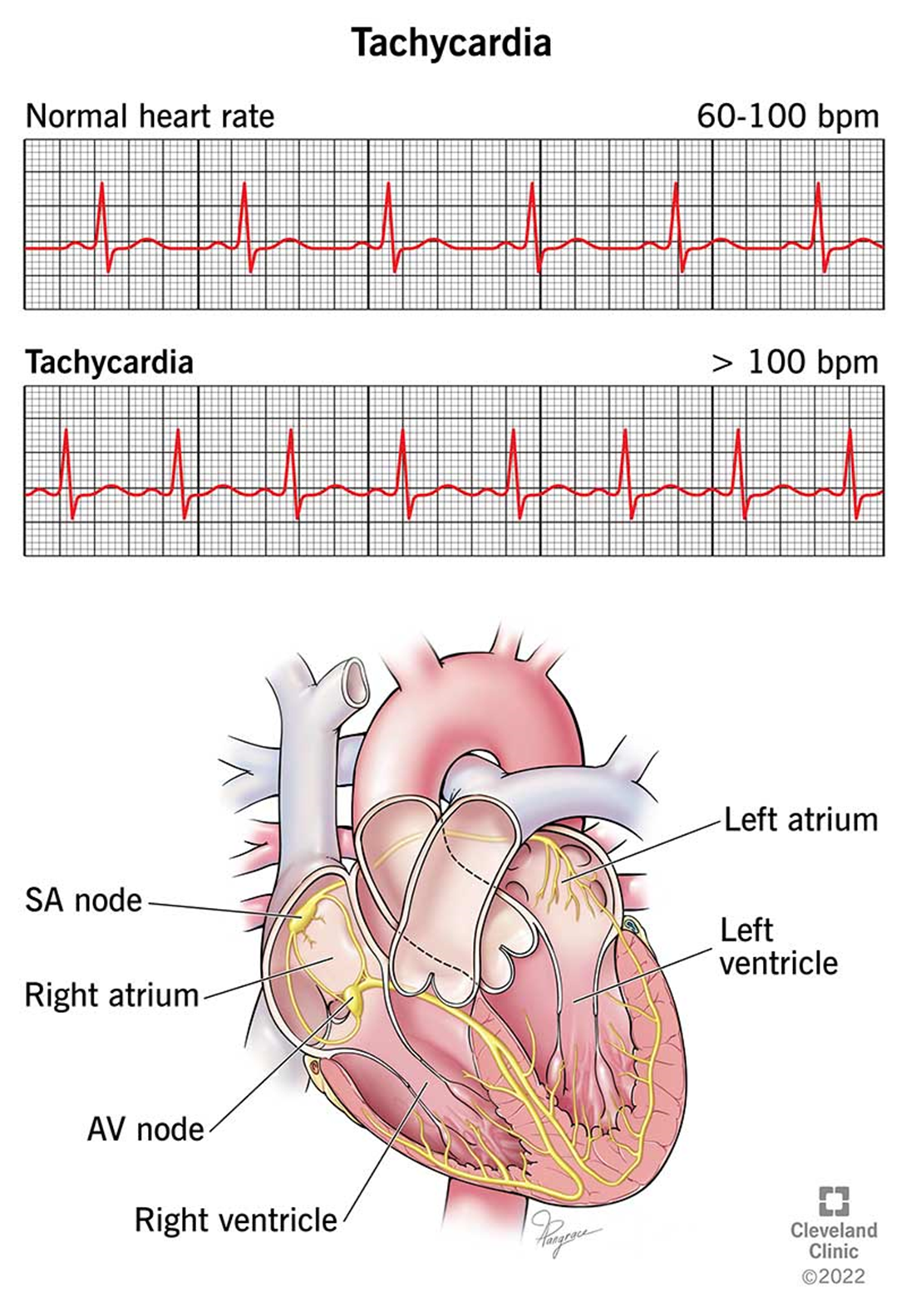
Choice A reason: Tachycardia is a possible adverse effect of theophylline, as it is a methylxanthine that stimulates the central nervous system and the cardiac muscle. The nurse should instruct the client to monitor their pulse rate and report any palpitations, chest pain, or irregular heartbeat.
Choice B reason: Drowsiness is not a likely adverse effect of theophylline, as it is a stimulant that increases alertness and energy. The nurse should caution the client to avoid taking the medication close to bedtime, as it may cause insomnia.
Choice C reason: Constipation is not a common adverse effect of theophylline, as it does not affect the gastrointestinal motility or secretion. The nurse should advise the client to maintain a balanced diet, adequate fluid intake, and regular exercise to prevent constipation.
Choice D reason: Oliguria is not a typical adverse effect of theophylline, as it does not impair the renal function or cause fluid retention. The nurse should encourage the client to drink enough fluids to prevent dehydration and maintain a normal urine output.
Nursing Test Bank
Naxlex Comprehensive Predictor Exams
Related Questions
Correct Answer is A
Explanation
The correct answer is a. Alcohol.
Choice A: Alcohol
Reason: Alcohol can significantly affect blood glucose levels in patients taking glimepiride. Both hypoglycemia (low blood sugar) and hyperglycemia (high blood sugar) can occur depending on the amount and frequency of alcohol consumption. Alcohol can enhance the blood sugar-lowering effect of glimepiride, leading to a dangerous drop in blood sugar levels, known as hypoglycemia. Symptoms of hypoglycemia include dizziness, confusion, weakness, and in severe cases, loss of consciousness. Therefore, it is advised to avoid alcohol while taking glimepiride.
Choice B: Milk
Reason: There are no known interactions between glimepiride and milk. Milk does not affect the absorption or efficacy of glimepiride. Therefore, it is generally safe to consume milk while taking this medication.
Choice C: Grapefruit juice
Reason: Grapefruit juice might theoretically increase the levels of drugs metabolized by CYP2C9, including glimepiride, due to its potential to inhibit CYP2C9 enzymes. However, this interaction has not been reported in humans and is considered unlikely to have a significant clinical impact. Therefore, grapefruit juice is not a major concern for patients taking glimepiride.
Choice D: Coffee
Reason: Coffee and other caffeinated beverages may increase blood sugar levels, which can counteract the effects of glimepiride. However, this interaction is not as significant as the interaction with alcohol. It is generally advised to monitor blood sugar levels and consume coffee in moderation while taking glimepiride.
Correct Answer is A
Explanation
Choice A reason: Tachycardia is a possible adverse effect of theophylline, as it is a methylxanthine that stimulates the central nervous system and the cardiac muscle. The nurse should instruct the client to monitor their pulse rate and report any palpitations, chest pain, or irregular heartbeat.
Choice B reason: Drowsiness is not a likely adverse effect of theophylline, as it is a stimulant that increases alertness and energy. The nurse should caution the client to avoid taking the medication close to bedtime, as it may cause insomnia.
Choice C reason: Constipation is not a common adverse effect of theophylline, as it does not affect the gastrointestinal motility or secretion. The nurse should advise the client to maintain a balanced diet, adequate fluid intake, and regular exercise to prevent constipation.
Choice D reason: Oliguria is not a typical adverse effect of theophylline, as it does not impair the renal function or cause fluid retention. The nurse should encourage the client to drink enough fluids to prevent dehydration and maintain a normal urine output.
Whether you are a student looking to ace your exams or a practicing nurse seeking to enhance your expertise , our nursing education contents will empower you with the confidence and competence to make a difference in the lives of patients and become a respected leader in the healthcare field.
Visit Naxlex, invest in your future and unlock endless possibilities with our unparalleled nursing education contents today