
A nurse is teaching a client who is to begin taking tamoxifen to treat breast cancer. The nurse should instruct the client to expect which of the following findings as an adverse effect of the medication?
Constipation
Clotting
Tinnitus
Urinary retention
The Correct Answer is B
Choice A reason: Constipation is not an adverse effect of tamoxifen. Tamoxifen does not affect the gastrointestinal motility or function. Constipation may be caused by other factors such as dehydration, low-fiber diet, or lack of exercise.
Choice B reason: Clotting is an adverse effect of tamoxifen. Tamoxifen can increase the risk of thromboembolic events such as deep vein thrombosis, pulmonary embolism, or stroke. Clotting can cause serious complications such as pain, swelling, shortness of breath, chest pain, or neurological deficits.
Choice C reason: Tinnitus is not an adverse effect of tamoxifen. Tamoxifen does not affect the auditory system or cause hearing loss. Tinnitus may be caused by other factors such as noise exposure, ear infection, or medication toxicity.
Choice D reason: Urinary retention is not an adverse effect of tamoxifen. Tamoxifen does not affect the urinary system or cause bladder dysfunction. Urinary retention may be caused by other factors such as prostate enlargement, nerve damage, or medication side effects.
Nursing Test Bank
Naxlex Comprehensive Predictor Exams
Related Questions
Correct Answer is B
Explanation
Choice A reason: This is incorrect because the patient may not see a response from the medication for at least six months. The patient should continue taking the medication as prescribed and follow up with the provider regularly.
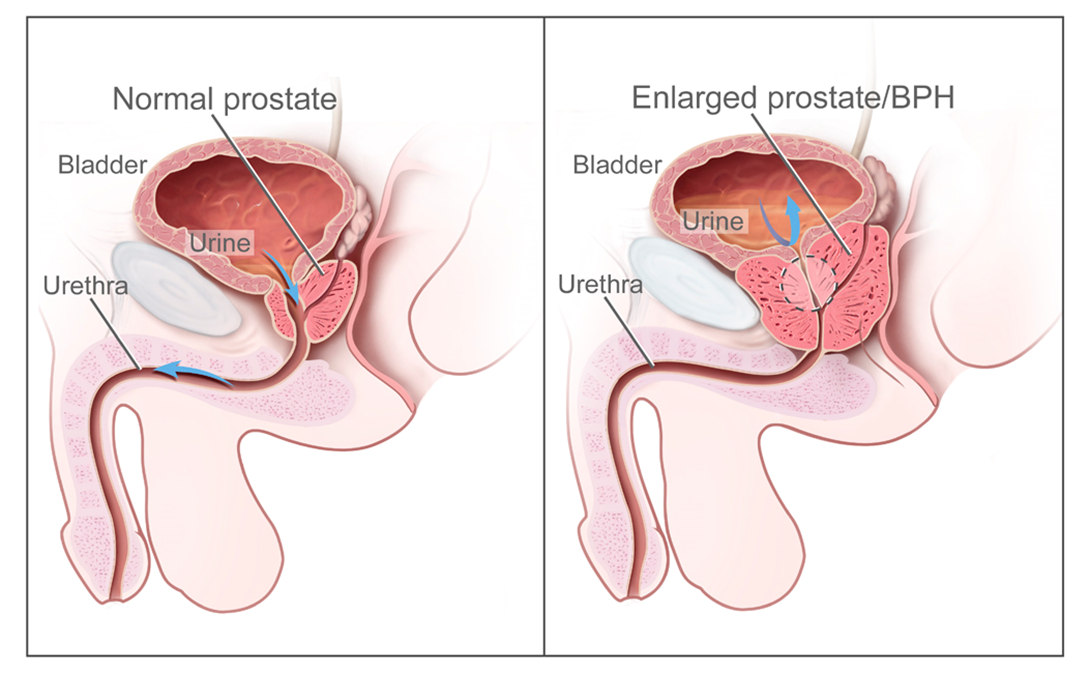
Choice B reason: This is correct because finasteride can cause birth defects in male fetuses if it is absorbed through the skin or ingested by pregnant women. The patient should wear gloves when handling the tablets and avoid contact with crushed or broken tablets.
Choice C reason: This is incorrect because PSA levels will decrease while taking this medication. PSA stands for prostate-specific antigen, which is a marker for prostate cancer. The patient should inform the provider that they are taking finasteride before having a PSA test, as it may affect the results.
Choice D reason: This is incorrect because grapefruit juice does not interact with finasteride. However, the patient should avoid alcohol and other medications that may affect the liver while taking finasteride.
Correct Answer is ["C","E"]
Explanation
Choice A reason: This is incorrect because drowsiness is not a common or serious adverse effect of alendronate. However, the client should avoid driving or operating machinery if they experience drowsiness.
Choice B reason: This is incorrect because tachycardia is not a common or serious adverse effect of alendronate. However, the client should monitor their pulse and blood pressure regularly and report any abnormal changes to the provider.
Choice C reason: This is correct because jaw pain can indicate a rare but serious condition called osteonecrosis of the jaw, which is associated with alendronate use. The client should report any jaw pain, swelling, or infection to the provider immediately and avoid dental procedures while taking alendronate.
Choice D reason: This is incorrect because dizziness is not a common or serious adverse effect of alendronate. However, the client should rise slowly from a lying or sitting position to prevent orthostatic hypotension and falls.
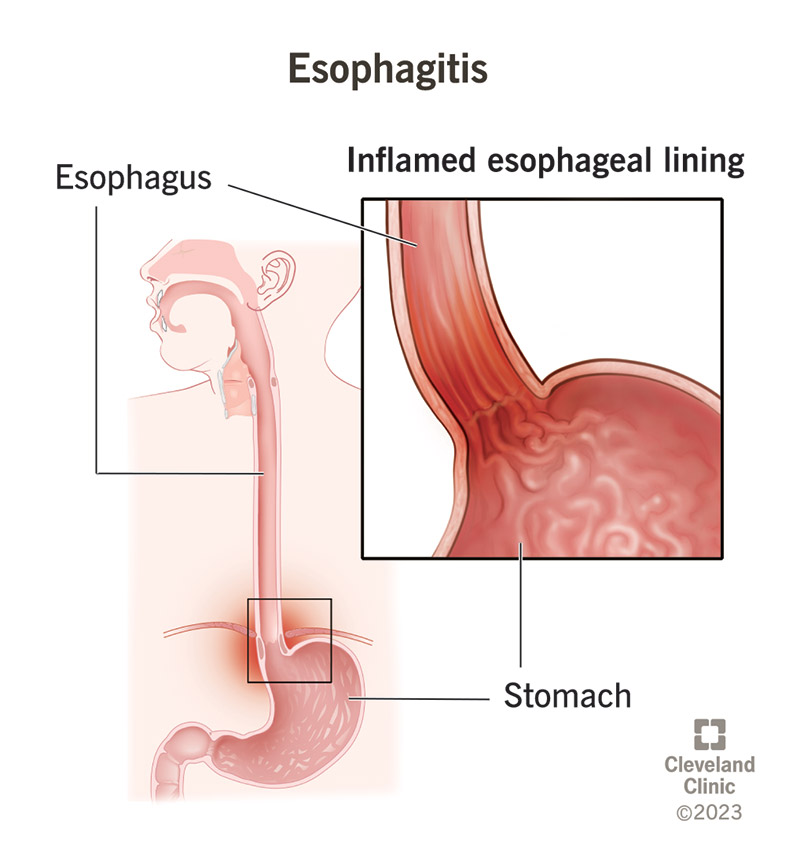
Choice E reason: This is correct because esophageal erosion can occur if alendronate is not taken correctly. The client should take alendronate with a full glass of water, at least 30 minutes before any food or drink, and remain upright for at least 30 minutes after taking it. The client should report any difficulty swallowing, chest pain, or heartburn to the provider.
Whether you are a student looking to ace your exams or a practicing nurse seeking to enhance your expertise , our nursing education contents will empower you with the confidence and competence to make a difference in the lives of patients and become a respected leader in the healthcare field.
Visit Naxlex, invest in your future and unlock endless possibilities with our unparalleled nursing education contents today