
Patient Data
The nurse reviews the client data.
What discharge education should the nurse provide? Select all that apply.
Walk frequently during recovery.
Advance diet from clear liquids to full liquid.
Anticipate weight loss will continue even with normal diet.
Begin taking supplements per the healthcare provider's orders.
Expect immediate return of ovulation.
Start with room temperature water.
Encourage three large meals a day.
Correct Answer : A,B,D,F
Choice A reason: Walking frequently during recovery is essential for preventing blood clots, improving circulation, and aiding in the healing process. It is recommended for patients to start with short, frequent walks and gradually increase the distance as tolerated. This helps to enhance physical activity and supports weight loss maintenance post-surgery.
Choice B reason: After bariatric surgery, patients are typically started on a clear liquid diet and then advanced to full liquids before progressing to pureed foods and eventually solid foods. This gradual progression is necessary to allow the stomach to heal and to avoid complications such as leaks or obstructions at the surgical site.
Choice D reason: Patients who have undergone bariatric surgery are at risk for nutritional deficiencies due to the reduced intake and absorption of nutrients. Therefore, taking prescribed vitamin and mineral supplements is crucial to prevent deficiencies and ensure adequate nutrition.
Choice F reason: Starting with room temperature water can help prevent discomfort and gastrointestinal symptoms that may occur when drinking cold fluids after surgery. Room temperature fluids are generally better tolerated in the immediate postoperative period.
Choice C reason: While weight loss is expected after bariatric surgery, it is not accurate to anticipate that weight loss will continue with a normal diet. Patients must adhere to a specific postoperative diet and lifestyle changes to ensure continued weight loss and avoid weight regain.
Choice E reason: Ovulation and fertility can be affected by significant weight loss; however, it is not appropriate to expect an immediate return of ovulation post-surgery. Fertility changes can vary from person to person and may take time.
Choice G reason: Encouraging three large meals a day is contrary to the recommended dietary guidelines post-bariatric surgery. Patients are advised to eat small, frequent meals to accommodate the reduced stomach capacity and to prevent symptoms of dumping syndrome.
Choice H reason: Dietician appointments are not optional but are a critical component of postoperative care. Regular follow-up with a dietician ensures that patients receive personalized nutritional guidance and support as they adjust to their new dietary habits.
Nursing Test Bank
Naxlex Comprehensive Predictor Exams
Related Questions
Correct Answer is B
Explanation
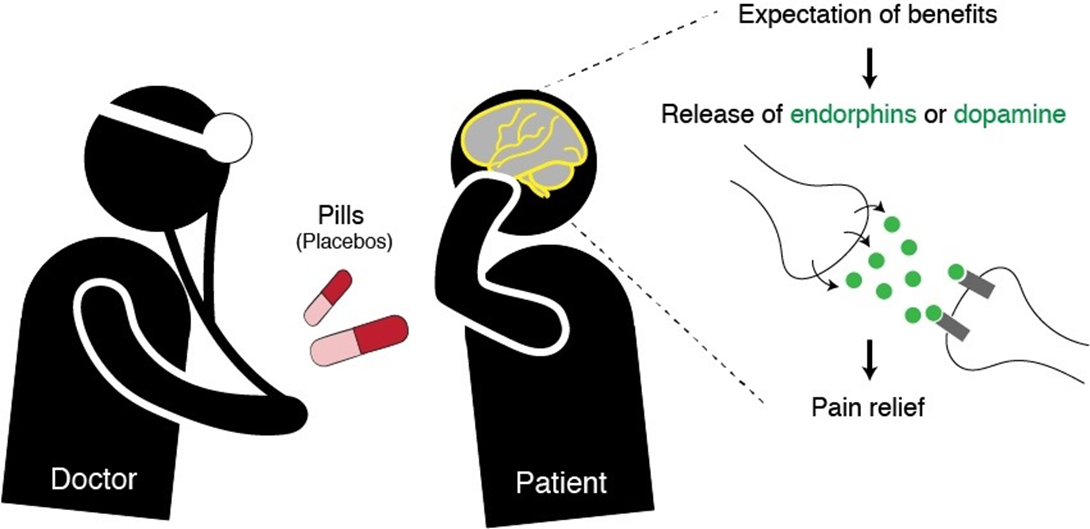
Choice A reason: Telling the charge nurse and refusing to administer the placebo could be seen as insubordination and does not address the ethical concerns associated with placebo use.
Choice B reason: Discussing ethical concerns with the healthcare provider is the most appropriate action as it addresses the potential breach of patient trust and informed consent associated with placebo use.
Choice C reason: Administering the placebo as prescribed without addressing the ethical implications could compromise the nurse's professional integrity and the patient's trust.
Choice D reason: Informing the client that a placebo was prescribed could undermine the treatment plan and the provider-patient relationship, potentially causing harm to the client.
Correct Answer is C
Explanation
Choice A reason: Asking for specifics about the night nurse's behavior could reinforce the client's splitting behavior, which is not therapeutic.
Choice B reason: Promising to talk to the night nurse may validate the client's negative perception without understanding the full context.
Choice C reason: Focusing on the client's progress and upcoming discharge avoids engaging in a discussion that could reinforce dichotomous thinking.This response is non-confrontational and avoids engaging in the client’s dichotomous thinking. It focuses on the positive aspect of the client’s situation, which is their improvement and discharge from the hospital. It’s important for healthcare professionals to maintain professional boundaries and not reinforce potentially harmful behavior patterns.
Choice D reason: Seeking details about the client's preference for certain staff can encourage splitting behavior and is not beneficial.
Whether you are a student looking to ace your exams or a practicing nurse seeking to enhance your expertise , our nursing education contents will empower you with the confidence and competence to make a difference in the lives of patients and become a respected leader in the healthcare field.
Visit Naxlex, invest in your future and unlock endless possibilities with our unparalleled nursing education contents today