
Peter, a 60-year-old male with a closed head injury, starts to have a urine output of 300 ml/hr. His urine specific gravity is 1.002. What does this indicate?
Normal renal function
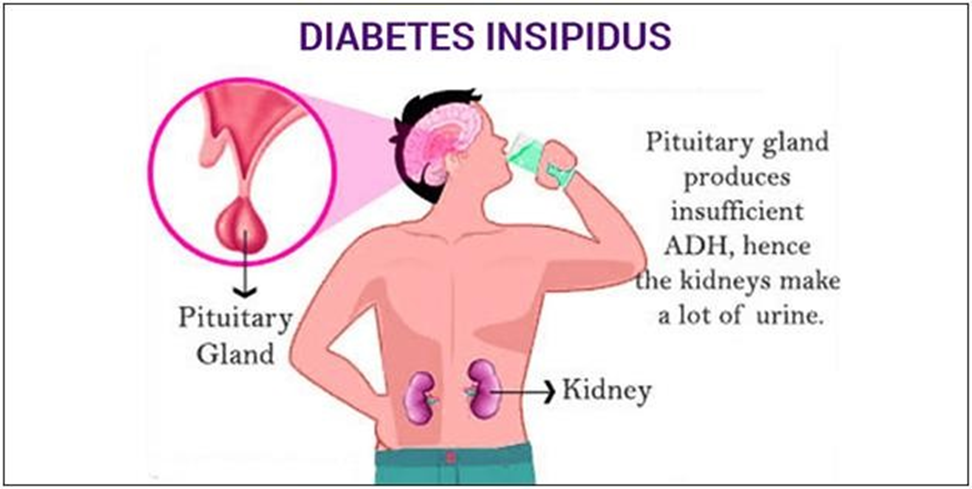
Diabetes insipidus
Acute kidney injury
Urinary tract infection
The Correct Answer is B
A. A urine output of 300 ml/hr and low specific gravity are not indicative of normal renal function.
B. Diabetes insipidus is characterized by excessive urine output (polyuria) with low urine specific gravity.
C. Acute kidney injury would typically present with oliguria (decreased urine output) or anuria (absence of urine output).
D. Urinary tract infection would typically present with other signs such as dysuria, urgency, and possibly fever, but not necessarily altered urine output and specific gravity.
Nursing Test Bank
Naxlex Comprehensive Predictor Exams
Related Questions
Correct Answer is ["A","B"]
Explanation
A. Steroid creams can suppress the immune response and alter the results of patch testing, so it's important for Sarah to avoid using them before undergoing the test.
B. Antihistamines can interfere with skin reactions and affect the accuracy of patch test results, so Sarah should avoid taking them before the test.
C. Drinking water does not interfere with patch testing, and Sarah should stay hydrated before the procedure.
D. Eating food does not interfere with patch testing, and Sarah can eat normally before the procedure.
Correct Answer is A
Explanation
A. Right intracerebral hemorrhage typically causes symptoms on the opposite side of the body (left-sided hemiparesis) and a dilated ipsilateral (right) pupil due to pressure on the oculomotor nerve.
B. Right intracerebral hemorrhage typically results in left-sided hemiparesis due to damage to the motor pathways on the right side of the brain, along with a dilated right pupil due to compression of the ipsilateral (right) oculomotor nerve.
C. Bilateral handgrip strength being equal suggests no focal motor deficits, which would be unusual in the context of an intracerebral hemorrhage. Reactive pupils would not be expected in this scenario.
D. Pinpoint pupils are typically associated with opioid overdose or pontine lesions, not intracerebral hemorrhage.
Whether you are a student looking to ace your exams or a practicing nurse seeking to enhance your expertise , our nursing education contents will empower you with the confidence and competence to make a difference in the lives of patients and become a respected leader in the healthcare field.
Visit Naxlex, invest in your future and unlock endless possibilities with our unparalleled nursing education contents today