
Schizophrenia is most often characterized by which assessment finding?
Separate personalities
Mood swings and hostility
Preoccupation with somatic symptoms
Thought disturbances and hallucinations
The Correct Answer is D
Choice A reason: Separate personalities are not a characteristic of schizophrenia; this is a common misconception. The disorder involving separate personalities is more accurately associated with dissociative identity disorder.
Choice B reason: While mood swings and hostility can occur in schizophrenia, they are not defining features of the disorder. Schizophrenia is primarily characterized by psychosis, which includes delusions and hallucinations.
Choice C reason: Preoccupation with somatic symptoms is more commonly associated with somatic symptom disorder, not schizophrenia. Schizophrenia involves a range of symptoms including cognitive and emotional dysfunctions.
Choice D reason: Thought disturbances, such as disorganized thinking, and hallucinations, particularly auditory ones, are hallmark symptoms of schizophrenia and are often used in its assessment.
Nursing Test Bank
Naxlex Comprehensive Predictor Exams
Related Questions
Correct Answer is D
Explanation
Choice A reason: Teaching relaxation techniques after medication may not be as effective because the client might be under the influence of the medication, which could interfere with learning the techniques.
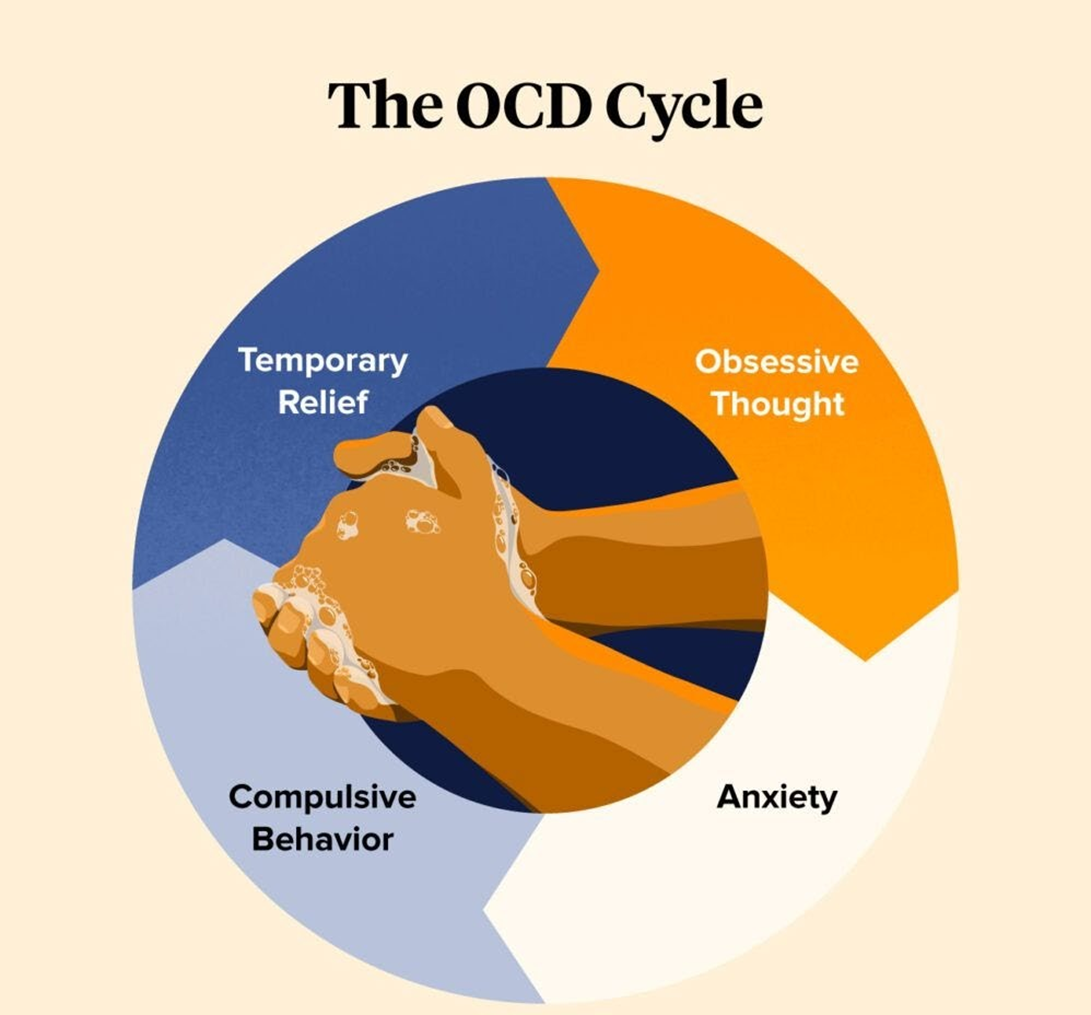
Choice B reason: Atempting to teach relaxation techniques during a ritual can increase the client's anxiety and resistance, as rituals are often used by individuals with OCD to manage their anxiety.
Choice C reason: While bedtime could be a calm time, it's not specifically targeted towards managing anxiety levels, which is crucial for clients with OCD.
Choice D reason: Teaching relaxation techniques when the client is experiencing low anxiety levels is most beneficial. The client is more likely to be receptive and retain the information, which can then be applied during higher anxiety periods.
Correct Answer is C
Explanation
Choice A reason: Encouraging a client to live in the past is not a therapeutic goal. Reminiscence therapy is used to stimulate memories and conversations, not to have clients dwell in the past.
Choice B reason: Helping children identify old photographs may be a side benefit but is not the primary therapeutic reason for using photo albums in dementia care.
Choice C reason: Viewing photos as part of reminiscence therapy can help clients with dementia recall memories and engage with others, which can improve their mood and cognitive function.
Choice D reason: While sharing photos might encourage interaction, the primary benefit of viewing photos in dementia care is to provide comfort and stimulate memory for the client, not necessarily to foster interactions with others.
Whether you are a student looking to ace your exams or a practicing nurse seeking to enhance your expertise , our nursing education contents will empower you with the confidence and competence to make a difference in the lives of patients and become a respected leader in the healthcare field.
Visit Naxlex, invest in your future and unlock endless possibilities with our unparalleled nursing education contents today