
For a client diagnosed with obsessive-compulsive disorder (OCD), which strategy should the nurse include in the client's plan of care to address the challenge of coping effectively with daily obsessions and compulsions?
Explore the availability of support groups.
Develop strategies to interrupt thoughts.
Maintain a structured living environment.
Establish healthy sleep hygiene routines.
The Correct Answer is B
Choice A reason: While support groups can be beneficial, they are not a direct coping strategy for managing daily obsessions and compulsions.
Choice B reason: This is the correct choice. Developing strategies to interrupt obsessive thoughts is a key component of cognitive-behavioral therapy, which is effective in treating OCD.
Choice C reason: Maintaining a structured environment may help reduce stress but does not directly address coping with obsessions and compulsions.
Choice D reason: Healthy sleep hygiene is important, but it is not a strategy specifically aimed at coping with OCD symptoms.
Nursing Test Bank
Naxlex Comprehensive Predictor Exams
Related Questions
Correct Answer is D
Explanation
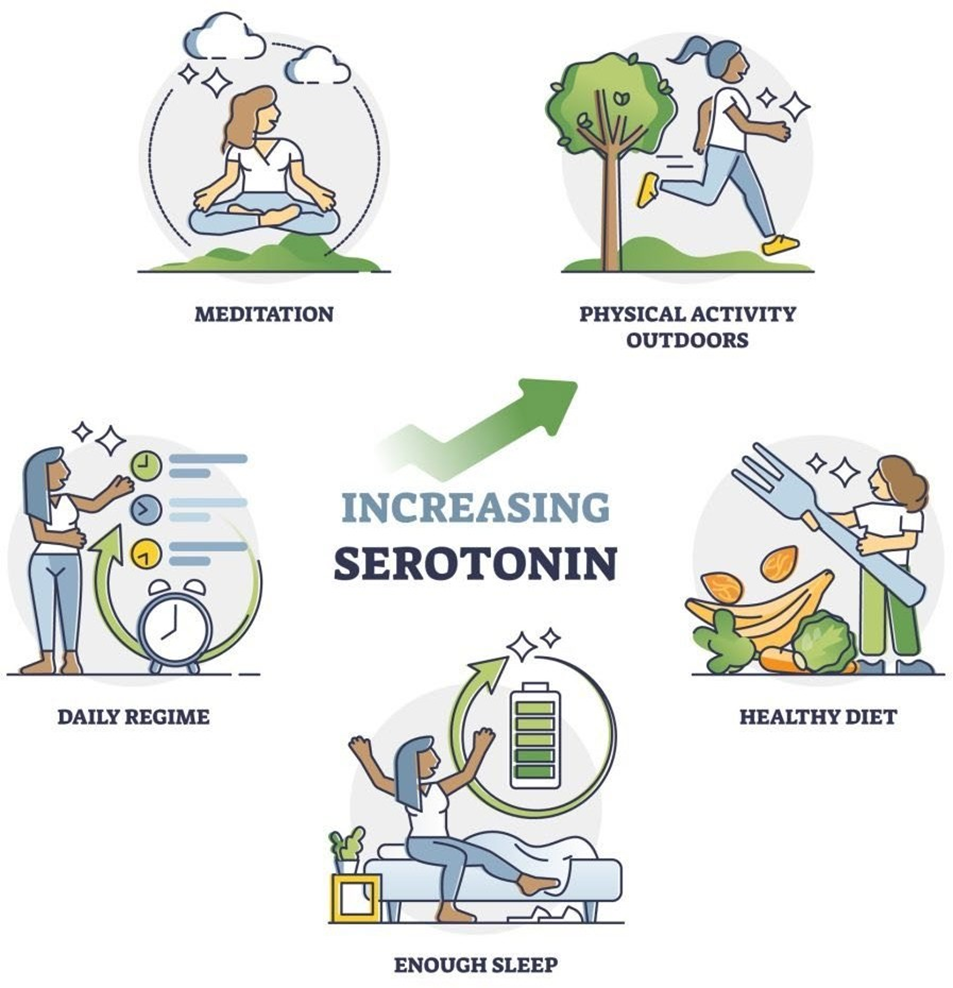
Choice A reason: Serotonin affects many functions, but metabolism is not directly influenced by serotonin.
Choice B reason: While serotonin can indirectly affect heart rate, it is not the primary neurological function it affects.
Choice C reason: Serotonin does not primarily affect reflexes.
Choice D reason: This is the correct choice. Serotonin is well known for its role in regulating mood, and imbalances can lead to mood disorders.
Correct Answer is A
Explanation
Choice A reason: This is the correct choice. Given the client has not eaten for several days, addressing nutritional needs is a priority to prevent further physical health complications.
Choice B reason: While there may be a risk for violence, the immediate physical health needs related to nutrition are more pressing.
Choice C reason: Ineffective health maintenance may be a concern, but it is not as immediate as the risk posed by imbalanced nutrition.
Choice D reason: There is no indication in the text that the client is at risk for suicide; therefore, this would not be the priority without further assessment.
Whether you are a student looking to ace your exams or a practicing nurse seeking to enhance your expertise , our nursing education contents will empower you with the confidence and competence to make a difference in the lives of patients and become a respected leader in the healthcare field.
Visit Naxlex, invest in your future and unlock endless possibilities with our unparalleled nursing education contents today