
The nurse is caring for an adolescent with scoliosis who is recovering after a surgical spinal instrumentation. Which technique should the nurse use when moving the client?
Flex the knees.
Raise the hips.
Cross the arms and legs.
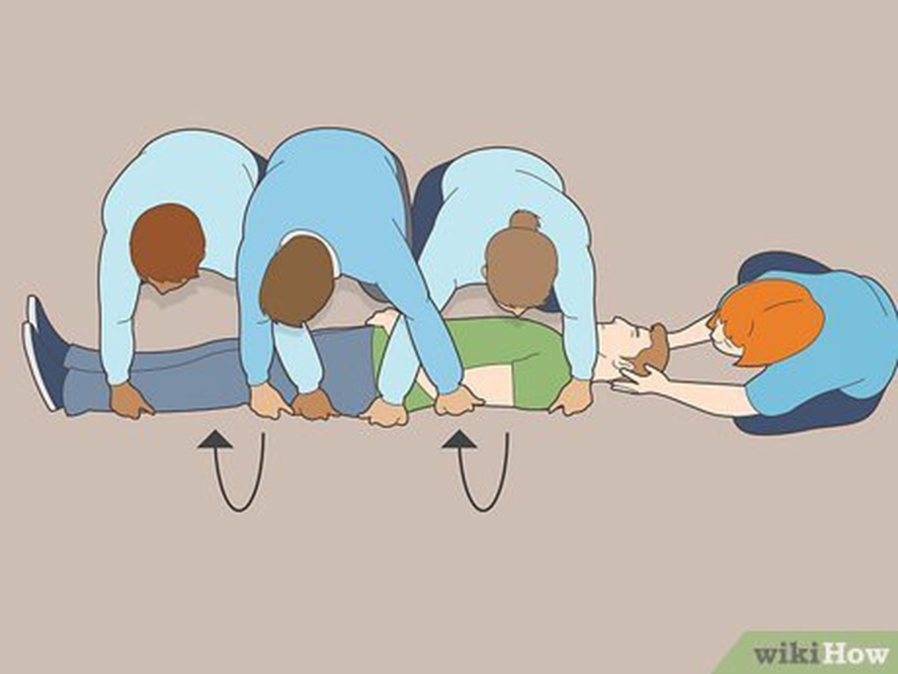
Perform a log roll.
The Correct Answer is D
Choice A rationale
Flexing the knees is not the recommended technique when moving a client who is recovering from surgical spinal instrumentation for scoliosis. While it may provide some comfort, it does not provide the necessary support to the spine that is needed during movement.
Choice B rationale
Raising the hips is not the recommended technique when moving a client who is recovering from surgical spinal instrumentation for scoliosis. This action could potentially cause strain or damage to the surgical site.
Choice C rationale
Crossing the arms and legs is not the recommended technique when moving a client who is recovering from surgical spinal instrumentation for scoliosis. This action does not provide the necessary support to the spine during movement.
Choice D rationale
Performing a log roll is the recommended technique when moving a client who is recovering from surgical spinal instrumentation for scoliosis. This technique involves the patient keeping their body in alignment while turning onto their side. It helps to maintain the integrity of the spinal fusion and prevent injury to the surgical site.
Nursing Test Bank
Naxlex Comprehensive Predictor Exams
Related Questions
Correct Answer is A
Explanation
Choice A rationale
In an infant with aortic stenosis and bilateral fine crackles in both lung fields, hypotension and tachycardia are additional findings that the nurse should expect to observe. Aortic stenosis can lead to decreased cardiac output, which can result in hypotension. The body compensates for this by increasing the heart rate, leading to tachycardia.
Choice B rationale
Vigorous feeding and satiation are not typically associated with aortic stenosis. Infants with aortic stenosis may actually have difficulty feeding due to fatigue.
Choice C rationale
Fever is not a typical symptom of aortic stenosis. If an infant with aortic stenosis has a fever, it may indicate a concurrent infection.
Choice D rationale
Hemiplegia, or paralysis of one side of the body, is not a typical symptom of aortic stenosis. If an infant with aortic stenosis presents with hemiplegia, it may indicate a serious complication such as a stroke.
Correct Answer is D
Explanation
The correct answer is choice d. Measure the blood pressure twice more during the visit and calculate the average of the three readings.
Choice A rationale:
Referring the child to the healthcare provider and scheduling a blood pressure evaluation in two weeks is not the immediate next step. It is important to confirm the elevated blood pressure reading during the same visit before making any referrals.
Choice B rationale:
Performing a comprehensive assessment and avoiding repeated blood pressure measurements is not appropriate. Repeated measurements are necessary to confirm the initial finding of elevated blood pressure.
Choice C rationale:
Taking the child’s blood pressure three times and recording the highest reading is not the best practice. The highest reading might not be representative of the child’s true blood pressure.
Choice D rationale:
Measuring the blood pressure twice more during the visit and calculating the average of the three readings is the correct approach. This method helps to ensure that the blood pressure reading is accurate and not influenced by temporary factors such as anxiety or movement.
Whether you are a student looking to ace your exams or a practicing nurse seeking to enhance your expertise , our nursing education contents will empower you with the confidence and competence to make a difference in the lives of patients and become a respected leader in the healthcare field.
Visit Naxlex, invest in your future and unlock endless possibilities with our unparalleled nursing education contents today