
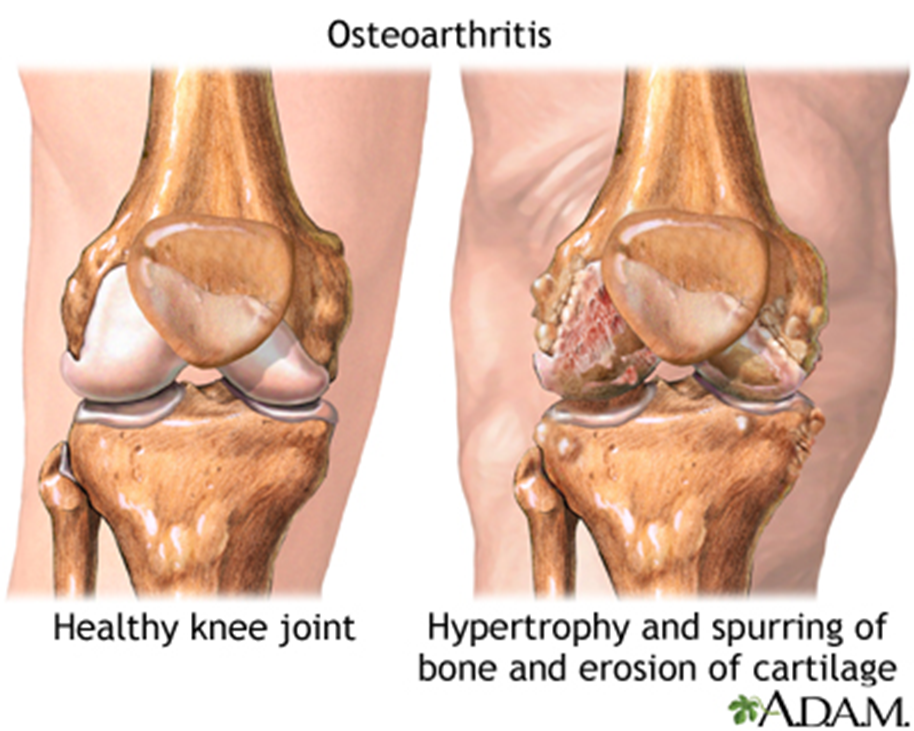
The nurse is caring for an older adult client with a history of osteoarthritis who is having difficulty walking due to increased right knee pain. To assess the quality of the client's knee pain, which approach should the nurse use?
Ask the client to describe the pain.
Observe body language and movement.
Identify effective pain relief measures.
Provide a numeric pain scale.
The Correct Answer is A
Choice A reason: Asking the client to describe the pain is essential as it provides subjective information about the pain's quality, intensity, and impact on daily activities, which is crucial for assessing osteoarthritis pain.
Choice B reason: Observing body language and movement can offer insights into the pain's impact on function, but it does not replace the client's verbal description of the pain experience.
Choice C reason: Identifying effective pain relief measures is part of managing osteoarthritis but does not directly assess the quality of the client's knee pain.
Choice D reason: Providing a numeric pain scale is a method to quantify pain intensity but may not fully capture the quality or characteristics of the pain.
Nursing Test Bank
Naxlex Comprehensive Predictor Exams
Related Questions
Correct Answer is A
Explanation
Choice A reason: Obtaining a urine specimen is essential for analyzing possible infections or other abnormalities that could be causing urinary incontinence.
Choice B reason: While evaluating the client's response to bladder training is important, it is not the first step before diagnosing the cause of new-onset incontinence.
Choice C reason: Providing protective undergarments may help manage symptoms but does not address the underlying cause of the incontinence.
Choice D reason: Encouraging increased fluid intake could potentially exacerbate incontinence symptoms and is not a diagnostic intervention.
Correct Answer is C
Explanation
Choice A reason: Cooling the bottle is not necessary and shaking it is only required if the instructions specify to do so to mix the medication.
Choice B reason: Inserting the tip of the dropper into the ear canal is not recommended as it can introduce bacteria and cause injury.
Choice C reason: Pulling the pinna up and back in adults helps to straighten the ear canal, allowing for proper delivery of the medication.
Choice D reason: Administering the drops with the head held upright is not the correct method; the head should be tilted to allow the drops to flow down into the ear canal.
Whether you are a student looking to ace your exams or a practicing nurse seeking to enhance your expertise , our nursing education contents will empower you with the confidence and competence to make a difference in the lives of patients and become a respected leader in the healthcare field.
Visit Naxlex, invest in your future and unlock endless possibilities with our unparalleled nursing education contents today