
The nurse is monitoring a client who was diagnosed with Type 1 Diabetes Mellitus and is being treated with NPH and regular insulin. Which manifestations alert the nurse to the presence of a possible hypoglycemic reaction? (SELECT ALL THAT APPLY)
Nervousness
Tremors
Irritability
Anorexia
Hot, dry skin
Muscle cramps
Correct Answer : A,B,C
A. Nervousness:
Explanation: Correct. Nervousness is a common symptom of hypoglycemia.
B. Tremors:
Explanation: Correct. Tremors or shakiness can occur with hypoglycemia.
C. Irritability:
Explanation: Correct. Irritability is one of the signs of hypoglycemia.
D. Anorexia:
Explanation: Anorexia or loss of appetite is a possible symptom of hypoglycemia but not as commonly observed as other symptoms.
E. Hot, dry skin:
Explanation: Hot, dry skin is not typically associated with hypoglycemia. Diaphoresis or sweating is more common.
F. Muscle cramps:
Explanation: Muscle cramps are not typical symptoms of hypoglycemia.
Nursing Test Bank
Naxlex Comprehensive Predictor Exams
Related Questions
Correct Answer is C
Explanation
A. "I will make sure I call the diabetes educator each time I adjust my insulin dose."
This statement suggests a reliance on insulin adjustment and implies frequent contact with the diabetes educator. However, it doesn't address the primary treatment for type 2 diabetes.
B. "I read that a pancreas transplant will provide a cure for my diabetes."
This statement mentions a pancreas transplant, which is a significant and rare intervention typically reserved for severe cases of diabetes. However, it's not considered the primary treatment for type 2 diabetes.
C. "I will make sure to follow the weight loss plan designed by the dietitian."
This statement aligns with a key aspect of managing type 2 diabetes, as weight management, along with diet and exercise, is a primary approach. Lifestyle modifications, including weight loss, are often part of the primary treatment plan.
D. "I will take my oral anti-diabetic agents when my morning blood sugar is high."
This statement indicates an understanding of the importance of oral anti-diabetic agents, which are commonly used in the management of type 2 diabetes. Timing medication based on blood sugar levels is a key aspect of treatment.
Correct Answer is D
Explanation
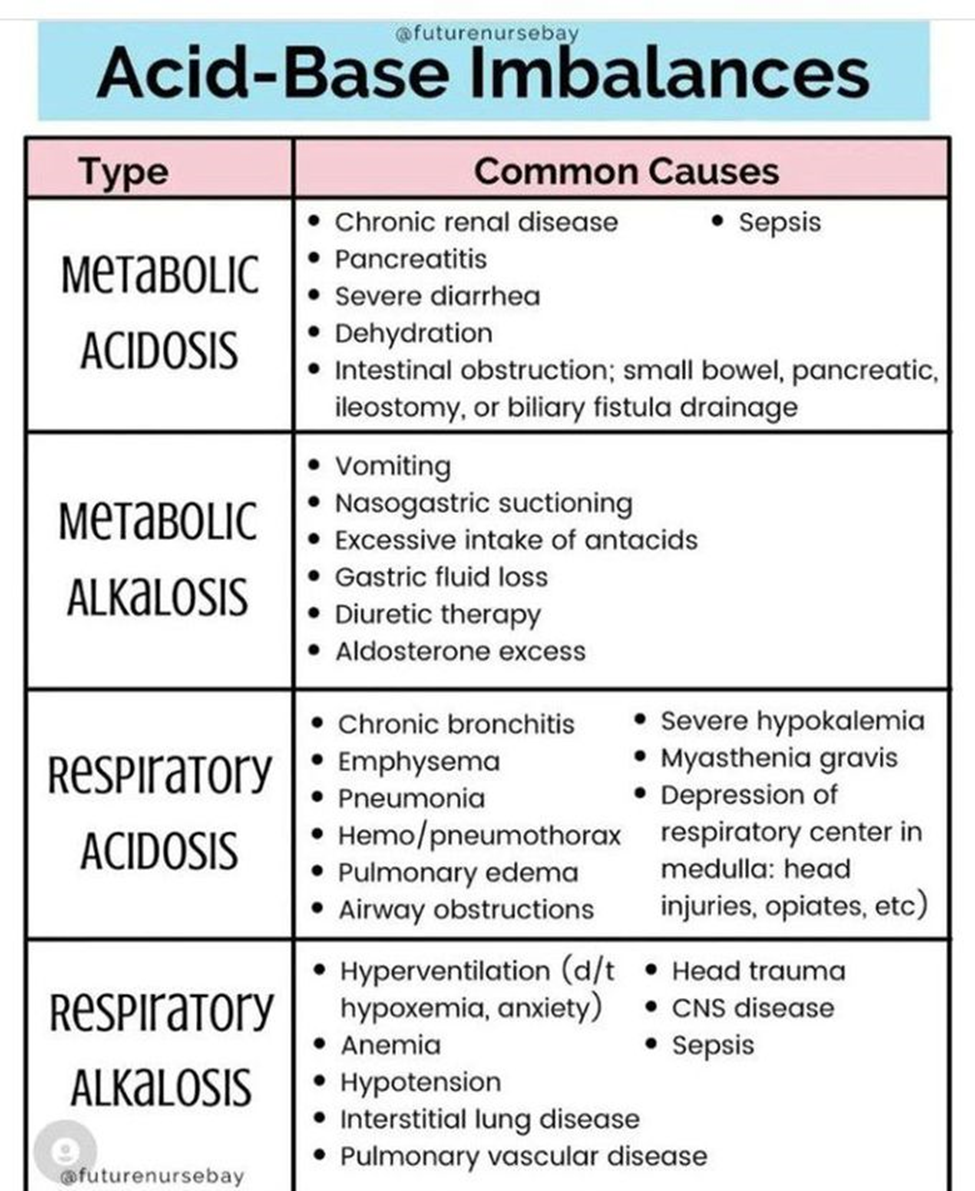
A. Respiratory Acidosis:
Explanation: Respiratory acidosis occurs when there is inadequate elimination of carbon dioxide, leading to an increase in PaCO2 and a decrease in blood pH. This is typically associated with conditions that impair ventilation.
B. Metabolic Alkalosis:
Explanation: Metabolic alkalosis is characterized by an elevated blood pH and bicarbonate (HCO3-) concentration. It is not directly caused by hyperventilation but is often associated with conditions such as excessive vomiting or excessive bicarbonate intake.
C. Metabolic Acidosis:
Explanation: Metabolic acidosis is characterized by a decrease in blood pH and bicarbonate concentration. It is not directly caused by hyperventilation but may result from conditions such as diabetic ketoacidosis or lactic acidosis.
D. Respiratory Alkalosis:
Explanation: Hyperventilation is the most common cause of respiratory alkalosis. During hyperventilation, there is an excessive loss of carbon dioxide (CO2) through rapid breathing, leading to a decrease in the partial pressure of carbon dioxide (PaCO2) in the blood. This results in an increase in blood pH, causing an alkalotic state.
Whether you are a student looking to ace your exams or a practicing nurse seeking to enhance your expertise , our nursing education contents will empower you with the confidence and competence to make a difference in the lives of patients and become a respected leader in the healthcare field.
Visit Naxlex, invest in your future and unlock endless possibilities with our unparalleled nursing education contents today