
The nurse is planning to teach infant care and preventive measures for sudden infant death syndrome (SIDS) to a group of new parents. Which information is most important for the nurse to include?
Ensure that the infant's crib mattress is firm.
Prop the infant with a pillow when in a side-lying position.
Swaddle the infant in a blanket for sleeping.
Place the infant in a prone position whenever possible.
The Correct Answer is A
Choice A reason: This is correct because a firm mattress reduces the risk of suffocation and rebreathing of carbon dioxide, which are associated with SIDS.
Choice B reason: This is incorrect because propping the infant with a pillow can cause the infant to slide down and suffocate or obstruct the airway.
Choice C reason: This is incorrect because swaddling the infant in a blanket can cause overheating, which is a risk factor for SIDS.
Choice D reason: This is incorrect because placing the infant in a prone position can increase the risk of SIDS by impairing gas exchange and thermoregulation.
Nursing Test Bank
Naxlex Comprehensive Predictor Exams
Related Questions
Correct Answer is B
Explanation
Choice A reason: Support stockings may help with peripheral edema, but they are not the priority intervention for this client. The client's low serum albumin level indicates malnutrition and increased risk of infection and poor wound healing.
Choice B reason: This is the correct answer because the client needs adequate protein intake to maintain serum albumin levels and prevent further complications. Complete proteins contain all nine essential amino acids that the body cannot synthesize and are found in animal sources such as meat, eggs, and dairy products.
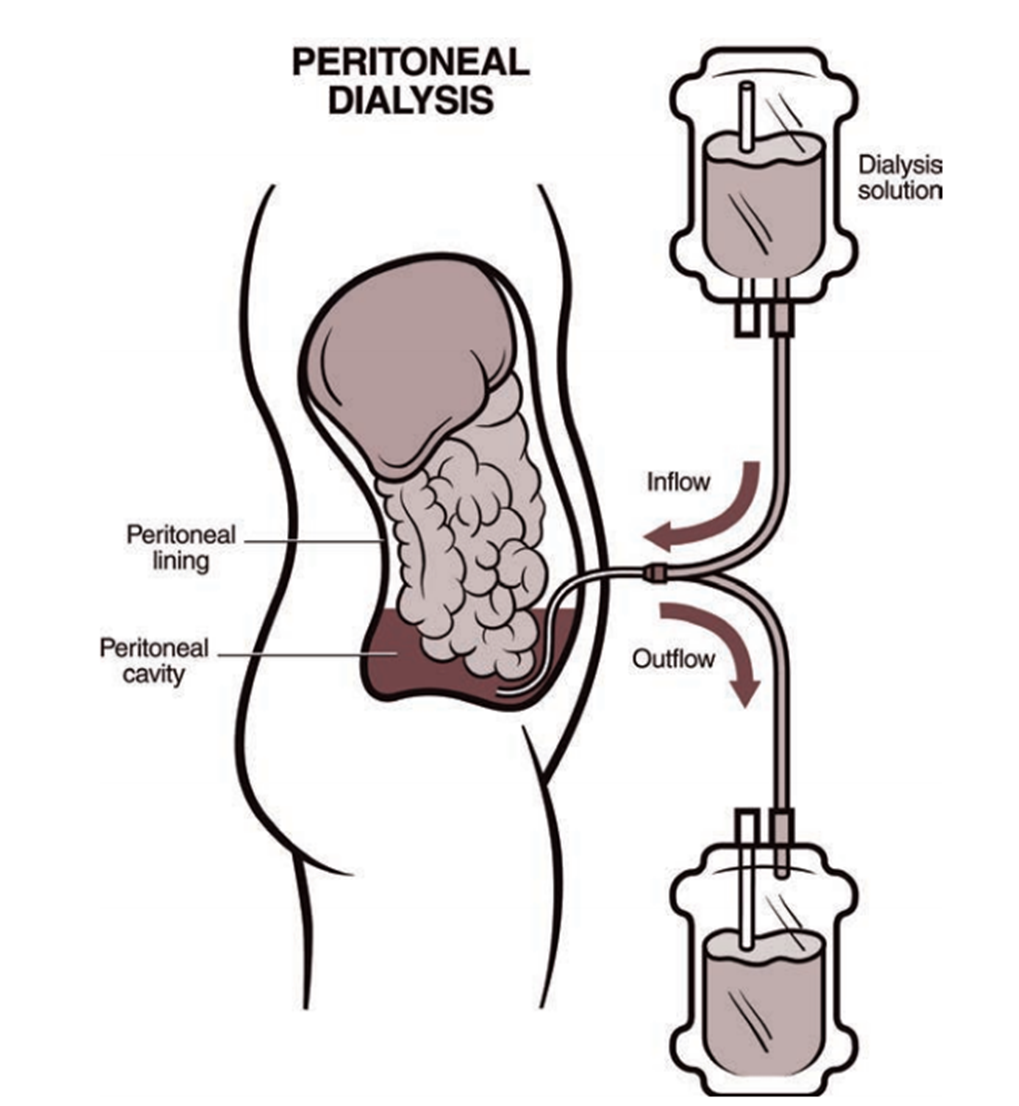
Choice C reason: Evaluating patency of the AV graft is not the priority intervention for this client because the client is receiving peritoneal dialysis, not hemodialysis. The AV graft may be used in the future if peritoneal dialysis fails, but it is not an immediate concern.
Choice D reason: Instructing the client to follow fluid restriction amounts is important for peritoneal dialysis patients, but it is not the priority intervention for this client. The client's low serum albumin level indicates that fluid restriction alone is not sufficient to manage fluid balance and prevent edema.
Correct Answer is ["B","D","E"]
Explanation
Choice A reason: This is incorrect because providing a diet low in phosphorus is not indicated for a client with cirrhosis of the liver. Phosphorus restriction is more relevant for clients with renal failure, not liver failure.
Choice B reason: This is correct because noting signs of swelling and edema is an essential intervention for a client with cirrhosis of the liver. Swelling and edema are signs of fluid retention and portal hypertension, which are common complications of liver disease.
Choice C reason: This is incorrect because increasing oral fluid intake to 1,500 mL daily is not advisable for a client with cirrhosis of the liver. Fluid restriction may be necessary to prevent fluid overload and ascites, which are common complications of liver disease.
Choice D reason: This is correct because monitoring abdominal girth is an important intervention for a client with cirrhosis of the liver. Abdominal girth measurement can indicate the presence and severity of ascites, which is a common complication of liver disease.
Choice E reason: This is correct because reporting serum albumin and globulin levels is a vital intervention for a client with cirrhosis of the liver. Serum albumin and globulin levels can reflect the liver's synthetic function and indicate the extent of liver damage.
Whether you are a student looking to ace your exams or a practicing nurse seeking to enhance your expertise , our nursing education contents will empower you with the confidence and competence to make a difference in the lives of patients and become a respected leader in the healthcare field.
Visit Naxlex, invest in your future and unlock endless possibilities with our unparalleled nursing education contents today