
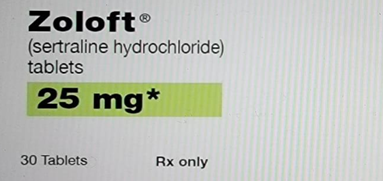
What is the formulation on the drug label below?
Tablets
Lozenge
Elixir
Capsules
The Correct Answer is A
A. Tablets: The drug label clearly states "Zoloft (sertraline hydrochloride) tablets," indicating that this formulation is in tablet form. It also mentions "30 Tablets" directly below the dosage strength, confirming the correct formulation.
B. Lozenge: Lozenges are designed to dissolve slowly in the mouth for local effect and are not typically used for systemic antidepressants like sertraline. This formulation is not indicated on the label.
C. Elixir: An elixir is a liquid form of medication containing alcohol, and although sertraline can be made in liquid form, this label specifically refers to tablets, not a liquid preparation.
D. Capsules: Capsules contain medication enclosed in a gelatin shell, often used for extended-release purposes. The label does not mention capsules and explicitly says "tablets," making this option incorrect.
Nursing Test Bank
Naxlex Comprehensive Predictor Exams
Related Questions
Correct Answer is B
Explanation
A. Increased risk of arrhythmias due to drug interactions: While both drugs affect cardiovascular function, the primary risk with concurrent use is not arrhythmias. Nitroglycerin and PDE-5 inhibitors mainly influence vascular tone, not cardiac electrical activity directly.
B. Potential for life-threatening hypotension due to excessive vasodilation: Both nitroglycerin and PDE-5 inhibitors are potent vasodilators. When used together, they can cause profound hypotension due to synergistic effects on the vascular system, which may lead to syncope, myocardial infarction, or even death.
C. Increased risk of severe headache due to overlapping side effects: Headache is a known side effect of both drugs due to vasodilation, but it is not the most dangerous interaction. While uncomfortable, headaches are not life-threatening compared to the risk of severe hypotension.
D. Decreased effectiveness of nitroglycerin in relieving angina: There is no evidence that PDE-5 inhibitors reduce the efficacy of nitroglycerin. The concern is not about reduced therapeutic benefit but rather the risk of severe, potentially fatal cardiovascular side effects.
Correct Answer is D
Explanation
A. "Limit your fluid intake to meal times.": Fluid restriction is not a standard recommendation for patients taking Verapamil unless they have another condition like heart failure. Adequate hydration is important, especially to counter constipation, a known side effect of the drug.
B. "You can expect swelling of the ankles while taking this medication.": While peripheral edema is a known side effect of Verapamil, it is not something patients should expect or accept without reporting. Significant swelling may require dose adjustment or switching medications.
C. "This medication will not affect your heart rate": Verapamil is a calcium channel blocker that slows AV node conduction and reduces heart rate. It is used for conditions like hypertension, angina, and arrhythmias, and can cause bradycardia, especially in high doses.
D. "Increase your daily intake of dietary fiber.": Verapamil frequently causes constipation by decreasing gastrointestinal motility. Increasing dietary fiber, fluid intake, and physical activity are recommended to minimize this side effect and promote regular bowel movements.
Whether you are a student looking to ace your exams or a practicing nurse seeking to enhance your expertise , our nursing education contents will empower you with the confidence and competence to make a difference in the lives of patients and become a respected leader in the healthcare field.
Visit Naxlex, invest in your future and unlock endless possibilities with our unparalleled nursing education contents today