
When initiating a peripheral intravenous (IV) infusion on an infant, what action should the nurse take?
Apply soft restraints to all four extremities.
Assess the dorsal surface of the feet for an IV site.
Instruct parents to sing or croon to the infant.
Select a site that is least restrictive to the infant.
The Correct Answer is D
Choice A rationale
Applying soft restraints to all four extremities of an infant is not typically recommended when initiating a peripheral intravenous (IV) infusion. Restraints can cause distress and may not be necessary for the procedure.
Choice B rationale
While the dorsal surface of the feet can be used as an IV site, it is not typically the first choice for infants. The veins in the feet can be difficult to access and the location can be inconvenient for the infant.
Choice C rationale
Instructing parents to sing or croon to the infant can be comforting and may help soothe the infant during the procedure. However, this action alone does not directly facilitate the successful initiation of an IV infusion.
Choice D rationale
Selecting a site that is least restrictive to the infant is the most appropriate action when initiating a peripheral IV infusion. This can make the procedure less distressing for the infant and allow for easier movement after the IV is in place.
Nursing Test Bank
Naxlex Comprehensive Predictor Exams
Related Questions
Correct Answer is C
Explanation
Choice A rationale
While it’s important to prevent bladder infections, performing surgery within one month is not typically recommended for hypospadias.
Choice B rationale
Postponing the repair until the child reaches school age is not typically recommended. The fear of castration is not usually a consideration in the timing of hypospadias repair.
Choice C rationale
The repair should ideally be completed before the child is toilet-trained. This allows for normal urinary function and reduces potential psychological impact.
Choice D rationale
Waiting until the child reaches sexual maturity is not typically recommended. Early intervention allows for normal development and function.
Correct Answer is D
Explanation
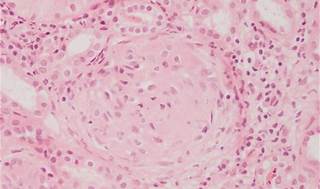
The correct answer is choice d. Positive rapid strep test of the oropharynx.
Choice A rationale:
Blood pressure of 88/50 mmHg is lower than normal but not typically associated with acute glomerulonephritis. High blood pressure is more common in this condition.
Choice B rationale:
Weight loss is not a typical symptom of acute glomerulonephritis. Instead, fluid retention and weight gain are more common due to edema.
Choice C rationale:
A maculopapular rash over the trunk is not commonly associated with acute glomerulonephritis. This condition usually presents with symptoms like hematuria, proteinuria, and edema.
Choice D rationale:
A positive rapid strep test of the oropharynx indicates a recent streptococcal infection, which is a common cause of acute glomerulonephritis. Reporting this finding is crucial for appropriate management.
Whether you are a student looking to ace your exams or a practicing nurse seeking to enhance your expertise , our nursing education contents will empower you with the confidence and competence to make a difference in the lives of patients and become a respected leader in the healthcare field.
Visit Naxlex, invest in your future and unlock endless possibilities with our unparalleled nursing education contents today