
Which client statement demonstrates understanding of the link between cardiovascular disease and high cholesterol?
“The greater the amount of cholesterol circulating in the blood, the greater the risk of cardiovascular disease."
"My diet does not need to be changed to help control my cardiovascular risk
“There is no link between cardiovascular disease and cholesterol levels."
“The only people at risk for high cholesterol are those with a family history."
The Correct Answer is A
Explanation:
A. This statement accurately reflects the relationship between high cholesterol levels and cardiovascular disease risk.
B. This statement is incorrect; dietary modifications are often recommended to help control cardiovascular risk, including reducing cholesterol intake.
C. This statement is incorrect; high cholesterol levels are a well-established risk factor for cardiovascular disease.
D. This statement is incorrect; while family history can predispose individuals to high cholesterol, anyone can develop high cholesterol and be at risk for cardiovascular disease.
Nursing Test Bank
Naxlex Comprehensive Predictor Exams
Related Questions
Correct Answer is A
Explanation
A. The liver is primarily responsible for metabolizing lipoproteins and processing lipids for utilization, storage, or excretion.
B. The respiratory system is not directly involved in lipid metabolism or transportation.
C. Proteins play a role in the structure and function of lipoproteins but are not directly responsible for their metabolism or processing.
D. The kidney is primarily involved in the excretion of waste products, electrolytes, and water, not lipoproteins.
Correct Answer is A
Explanation
A. Shaving excess hair from the skin before applying a nitroglycerin patch helps ensure proper adhesion and absorption of the medication.
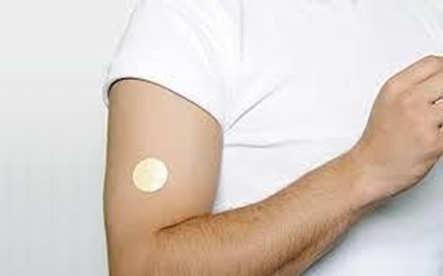
B. Used nitroglycerin patches should be folded with the medication area to the inside and disposed of in a manner that prevents accidental exposure to others.
C. Nitroglycerin patches are typically worn for a specified duration, often 12 to 14 hours, before being removed and replaced with a new patch.
D. Using multiple nitroglycerin patches simultaneously is not recommended and could lead to overdose.
Whether you are a student looking to ace your exams or a practicing nurse seeking to enhance your expertise , our nursing education contents will empower you with the confidence and competence to make a difference in the lives of patients and become a respected leader in the healthcare field.
Visit Naxlex, invest in your future and unlock endless possibilities with our unparalleled nursing education contents today