
Which is a major side effect of radioactive iodine treatment for hyperthyroidism?
TSH low,T3 & T4 elevated
TSH elevated, T3 & T4 low
TSH,T3 & T4 low
TSH, T4 elevated and T3 low
The Correct Answer is B
Choice A rationale: Elevated T3 and T4 with low TSH levels are indicative of hyperthyroidism, not a side effect of radioactive iodine treatment.
Choice B rationale: One of the expected side effects of RAI treatment for hyperthyroidism is permanent hypothyroidism (or underactive thyroid, when the thyroid does not produce enough hormones). Elevated TSH levels with low T3 and T4 are indicative of hypothyroidism.
Choice C rationale: Low TSH, T3, and T4 levels are not typical outcomes of radioactive iodine treatment; typically, the treatment leads to a decrease in T3 and T4 with increased TSH levels.
Choice D rationale: Elevated TSH and low T3 is major side effect of radioactive iodine treatment for hyperthyroidism. However, it does not cause elevated T4 levels.
Nursing Test Bank
Naxlex Comprehensive Predictor Exams
Related Questions
Correct Answer is D
Explanation
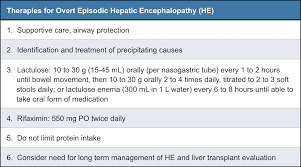
Choice A rationale: Used in the management of hepatic encephalopathy by reducing the production of ammonia in the gut.
Choice B rationale: Often prescribed to reduce ammonia levels in hepatic encephalopathy by promoting bowel movements and aiding ammonia excretion. Choice C rationale: Typically used in managing ascites by reducing fluid retention and treating edema.
Choice D rationale: This medication can potentially worsen hepatic encephalopathy due to its sedative effects and impact on mental function. It's crucial to clarify its use in a patient with hepatic encephalopathy.
Correct Answer is B
Explanation
Choice A rationale: Redness briefly after removing the appliance might be common due to increased blood flow but does not necessarily indicate an issue.
Choice B rationale: A deep red-purple stoma color can suggest impaired blood supply to the stoma and requires immediate attention.
Choice C rationale: The consistency of output from the colostomy may vary based on the site and type of colostomy and might not necessarily be concerning.
Choice D rationale: The length of the stoma can vary and usually depends on the type of colostomy, and 1/2 inch above the abdomen is within an acceptable range.
Whether you are a student looking to ace your exams or a practicing nurse seeking to enhance your expertise , our nursing education contents will empower you with the confidence and competence to make a difference in the lives of patients and become a respected leader in the healthcare field.
Visit Naxlex, invest in your future and unlock endless possibilities with our unparalleled nursing education contents today