
Which of the following are hormonal methods of contraception? (Select all that apply)
Cervical cap
Depo Provera
Diaphragm
Intrauterine device
Vaginal ring
Correct Answer : B,D,E
Choice A rationale
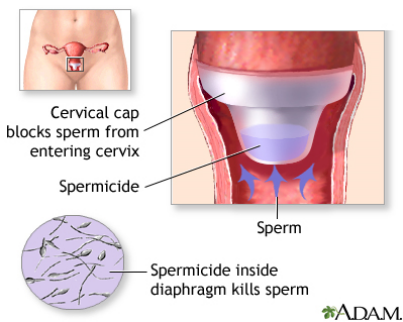
The cervical cap is a barrier method of contraception, not a hormonal method. It is a small, thimble-shaped cup made of silicone that is inserted into the vagina before sex to prevent pregnancy.
Choice B rationale
Depo Provera is a hormonal method of contraception. It is an injection of the hormone progestin that is given every three months to prevent pregnancy.
Choice C rationale
The diaphragm is a barrier method of contraception, not a hormonal method. It is a shallow, dome-shaped cup with a flexible rim that is inserted into the vagina before sex to cover the cervix and prevent pregnancy.
Choice D rationale
The intrauterine device (IUD) can be a hormonal method of contraception. Hormonal IUDs release progestin into the uterus to prevent pregnancy.
Choice E rationale
The vaginal ring is a hormonal method of contraception. It is a small, flexible ring that is inserted into the vagina. It releases estrogen and progestin to prevent pregnancy
Nursing Test Bank
Naxlex Comprehensive Predictor Exams
Related Questions
Correct Answer is B
Explanation
Choice A rationale
Insufficient dietary intake is not the main cause of hot flashes and night sweats in postmenopausal women.
Choice B rationale
Deficiency in estrogen is the primary cause of hot flashes and night sweats in postmenopausal women. During menopause, the levels of estrogen, a hormone that regulates the body’s temperature among other things, decrease. This can disrupt the body’s temperature control, leading to hot flashes and night sweats.
Choice C rationale
An active lifestyle is not the main cause of hot flashes and night sweats in postmenopausal women.
Choice D rationale
Changes in vaginal pH are not the main cause of hot flashes and night sweats in postmenopausal women.
Correct Answer is A
Explanation
Choice A rationale
Age of 25 years is not typically identified as a potential risk factor for infertility. Women in their mid-twenties are often in their peak reproductive years.
Choice B rationale
A history of smoking can potentially impact fertility. Smoking can harm the ovaries and the eggs they produce, potentially leading to fertility issues.
Choice C rationale
Diabetes since the age of 15 could potentially impact fertility. Diabetes can cause irregular menstrual cycles and other reproductive issues, which could lead to difficulty conceiving. Choice D rationale
Weight below the standard for height and age could potentially impact fertility. Being underweight can lead to irregular menstrual cycles and ovulation, which could lead to difficulty conceiving.
Whether you are a student looking to ace your exams or a practicing nurse seeking to enhance your expertise , our nursing education contents will empower you with the confidence and competence to make a difference in the lives of patients and become a respected leader in the healthcare field.
Visit Naxlex, invest in your future and unlock endless possibilities with our unparalleled nursing education contents today