
Which two conditions are within this disease classification? Choose 2 answers.
Asthma
Pulmonary emphysema
Pneumonia
Pulmonary fibrosis
Asbestosis
Correct Answer : A,B
These two conditions belong to the disease classification of chronic obstructive pulmonary disease (COPD). COPD is a group of lung diseases that cause persistent and progressive airflow limitation and difficulty breathing. Asthma is a condition that causes inflammation and narrowing of the airways, leading to wheezing, coughing, chest tightness, and shortness of breath. Pulmonary emphysema is a condition that damages the alveoli (air sacs) in the lungs, reducing their elasticity and surface area, resulting in less oxygen exchange and more trapped air. Both asthma and pulmonary emphysema can be triggered by environmental factors, such as allergens, pollutants, tobacco smoke, or infections. The main difference between asthma and pulmonary emphysema is that asthma is reversible with medication, while pulmonary emphysema is irreversible and progressive.
Nursing Test Bank
Naxlex Comprehensive Predictor Exams
Related Questions
Correct Answer is D
Explanation
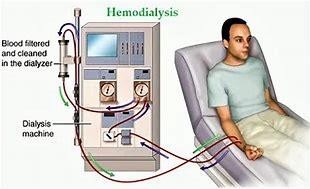
Hemodialysis is a type of dialysis that uses an external machine (an artificial kidney) to filter the blood of waste and excess fluid. Hemodialysis requires access to a large blood vessel, usually through an arteriovenous fistula or graft in the arm or leg.
Correct Answer is B
Explanation
Metabolic acidosis is a condition where the blood's pH is lowered due to an excess of non-volatile acids in the body, such as lactic acid, ketoacids, or ingested acids. This can occur due to diabetes, kidney failure, diarrhea, or ingestion of toxins.
The body has several mechanisms to compensate for metabolic acidosis and restore the normal pH balance. One of them is to hyperventilate, which helps to remove CO2 from the body and reduce the formation of H2CO3.
Whether you are a student looking to ace your exams or a practicing nurse seeking to enhance your expertise , our nursing education contents will empower you with the confidence and competence to make a difference in the lives of patients and become a respected leader in the healthcare field.
Visit Naxlex, invest in your future and unlock endless possibilities with our unparalleled nursing education contents today