
A charge nurse is making assignments for a group of clients.
Which of the following clients should the nurse assign to a licensed practical nurse?
A client who is postoperative following a hip arthroplasty and has a respiratory rate of 10/min
A client who has a urinary output of 30 mL in the past hour
A client who is newly admitted and requires an admission assessment
A client who has a new diagnosis of diabetes mellitus and is awaiting teaching about meal planning
The Correct Answer is B
A. A client who is postoperative following a hip arthroplasty and has a respiratory rate of 10/min likely requires closer monitoring and assessment of respiratory status. This may be more suitable for a registered nurse (RN), especially considering the potential for respiratory complications postoperatively. nd dietary considerations.
B.A client with a urinary output of 30 mL in the past hour may require assessment and intervention related to urinary function. While this may not necessarily require the expertise of an RN, it may be within the scope of practice for an LPN to monitor urinary output and report findings to the RN.Option C, a newly admitted client requiring an admission assessment, should also be assigned to an RN, as this involves a comprehensive assessment that may require identifying potential risks and initiating appropriate interventions.
D. A client with a new diagnosis of diabetes mellitus awaiting teaching about meal planning may benefit from education provided by an RN or a certified diabetes educator (CDE) due to the complexity of diabetes management and the need for individualized teaching.Nursing Test Bank
Naxlex Comprehensive Predictor Exams
Related Questions
Correct Answer is A
Explanation
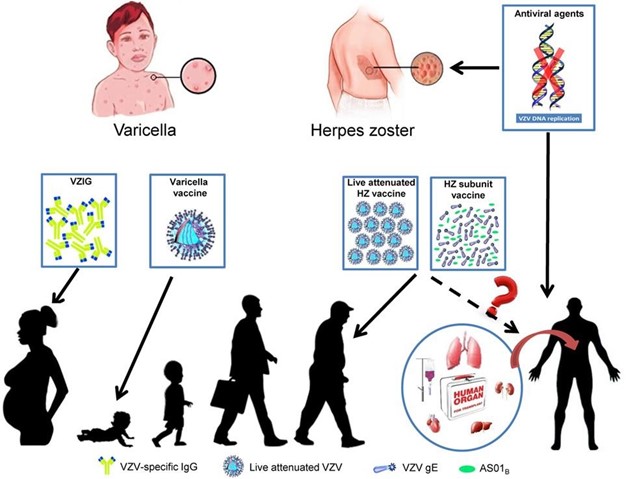
a. Assign the client to a negative pressure airflow room:Varicella zoster (chickenpox or shingles) is an airborne disease, so the client should be placed in a negative pressure airflow room to prevent the spread of the virus through airborne particles.
b. Administer aspirin if the client develops a fever:Aspirin should not be administered to children or adolescents with viral infections like varicella zoster due to the risk of Reye's syndrome, a potentially fatal condition that causes liver and brain damage.
c. Initiate contact precautions for the client: While contact precautions are important, varicella zoster also requires airborne precautions due to its highly contagious nature. This means that simply initiating contact precautions is not sufficient.
d. Have visitors remain at least 0.91 m (3 feet) away from the client:While maintaining distance can reduce the spread of many infections, varicella zoster requires more stringent precautions (airborne and contact). Instead of simply keeping a distance, visitors should be limited, and those who are not immune to varicella should avoid contact entirely.
Correct Answer is A
Explanation
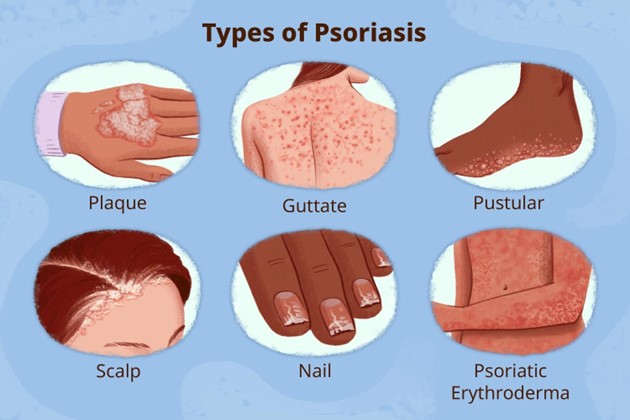
A.Sunlight exposure can actually be beneficial for clients with psoriasis, as ultraviolet (UV) light can help reduce the growth of skin cells and alleviate symptoms. If the client is limiting their sunlight exposure, they might be missing out on a potential therapeutic benefit. However, it is important to balance sun exposure and avoid overexposure to prevent skin damage.
B.Avoiding fabric softener can be a proactive measure to prevent skin irritation, which is beneficial for someone with psoriasis.
C.This could indicate emotional distress or body image concerns, but it doesn’t necessarily need to be reported unless the client shows signs of depression or anxiety affecting their daily life.
D.This is correct practice to ensure the effectiveness of the medication.
Whether you are a student looking to ace your exams or a practicing nurse seeking to enhance your expertise , our nursing education contents will empower you with the confidence and competence to make a difference in the lives of patients and become a respected leader in the healthcare field.
Visit Naxlex, invest in your future and unlock endless possibilities with our unparalleled nursing education contents today